
Design, installation, load testing and certification of height safety anchor systems for residential, strata and commercial buildings across Sydney.
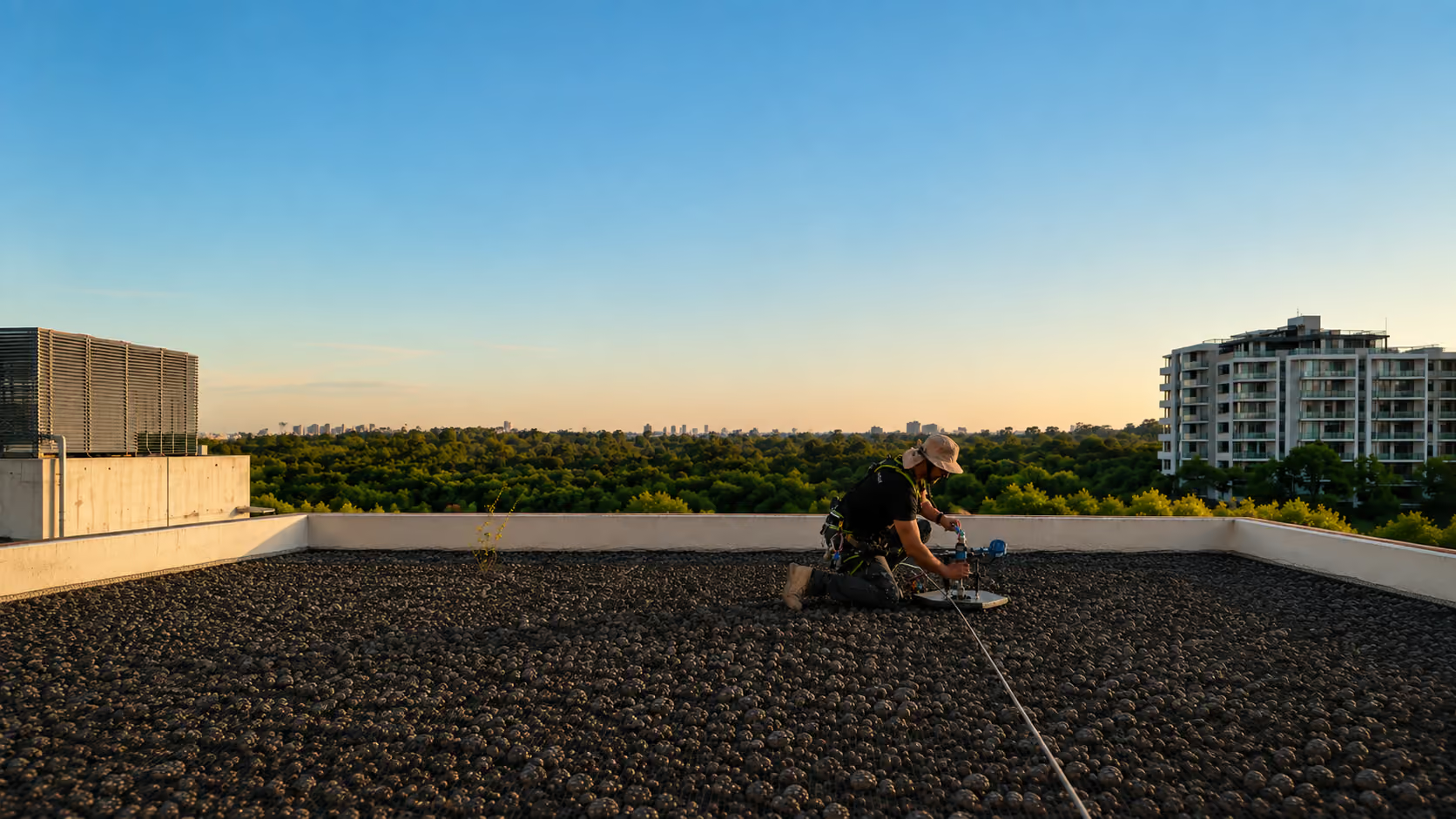

Falls from height remain the leading cause of workplace fatality in Australia. Without certified anchor points, any height access work carries unacceptable and uninsured risk.







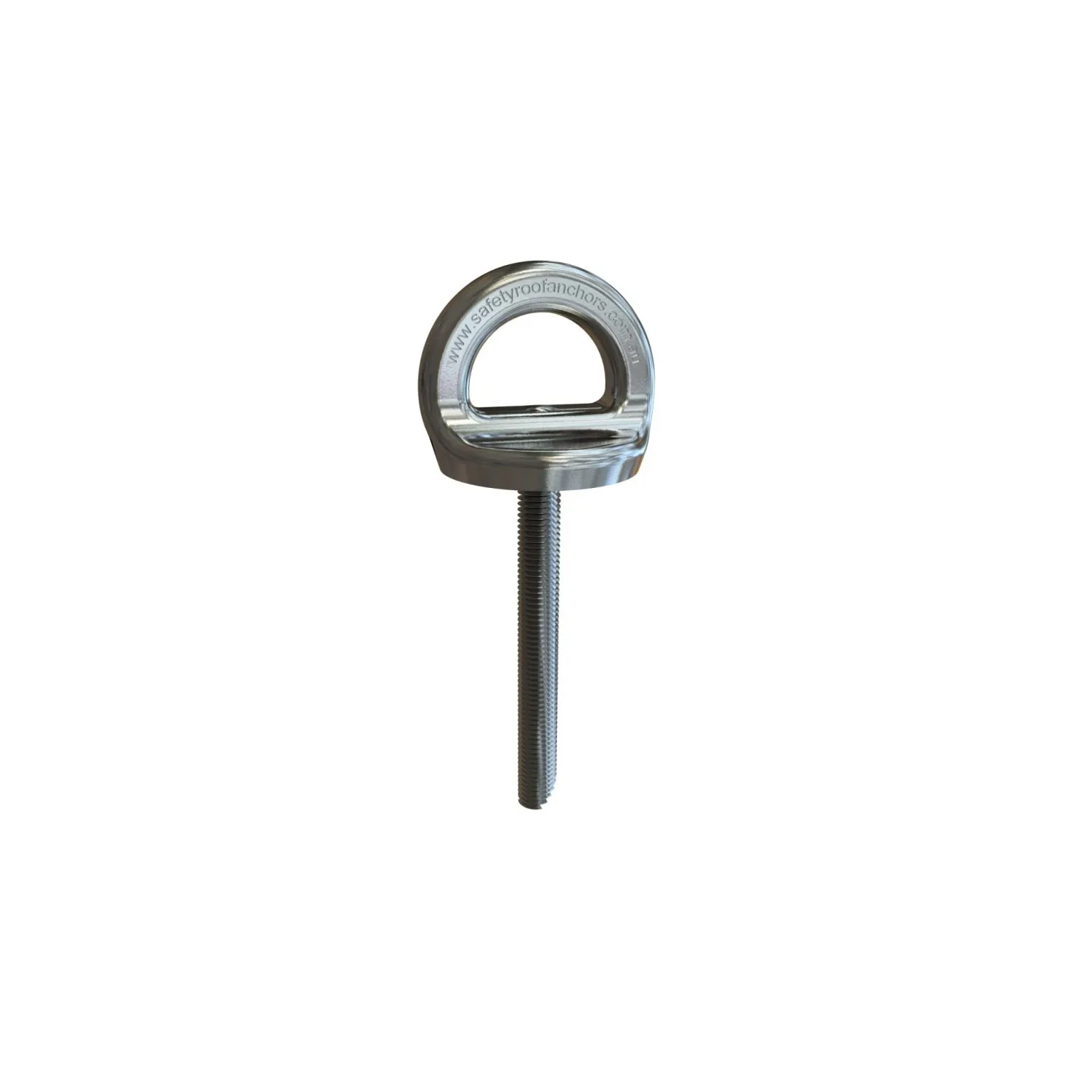
Permanent anchor points chemset into concrete slabs and structural elements. Rated for both fall arrest and abseil (rope access) work, they form the fixed connection point technicians tie off to for descending facades or working near edges. The right anchor depends on the roof or slab type — concrete, metal deck and timber all require different systems.
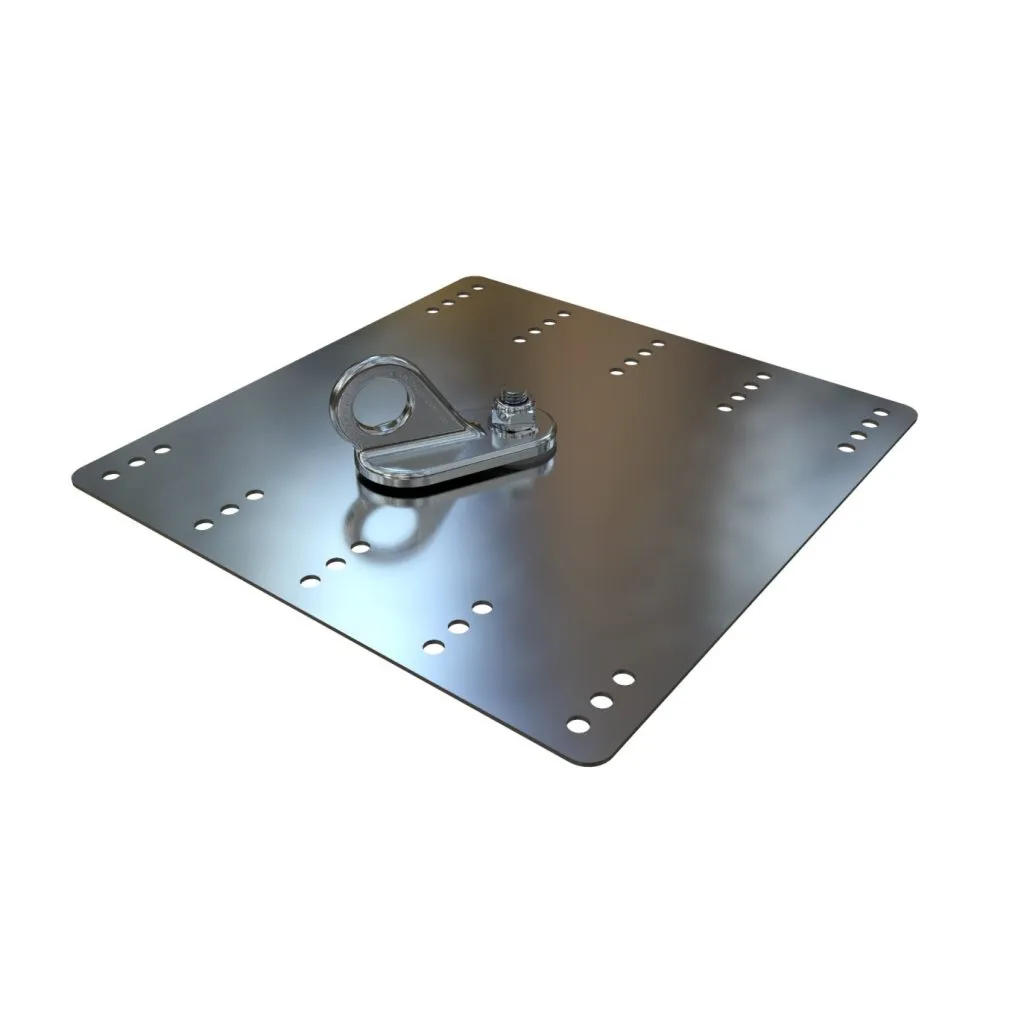
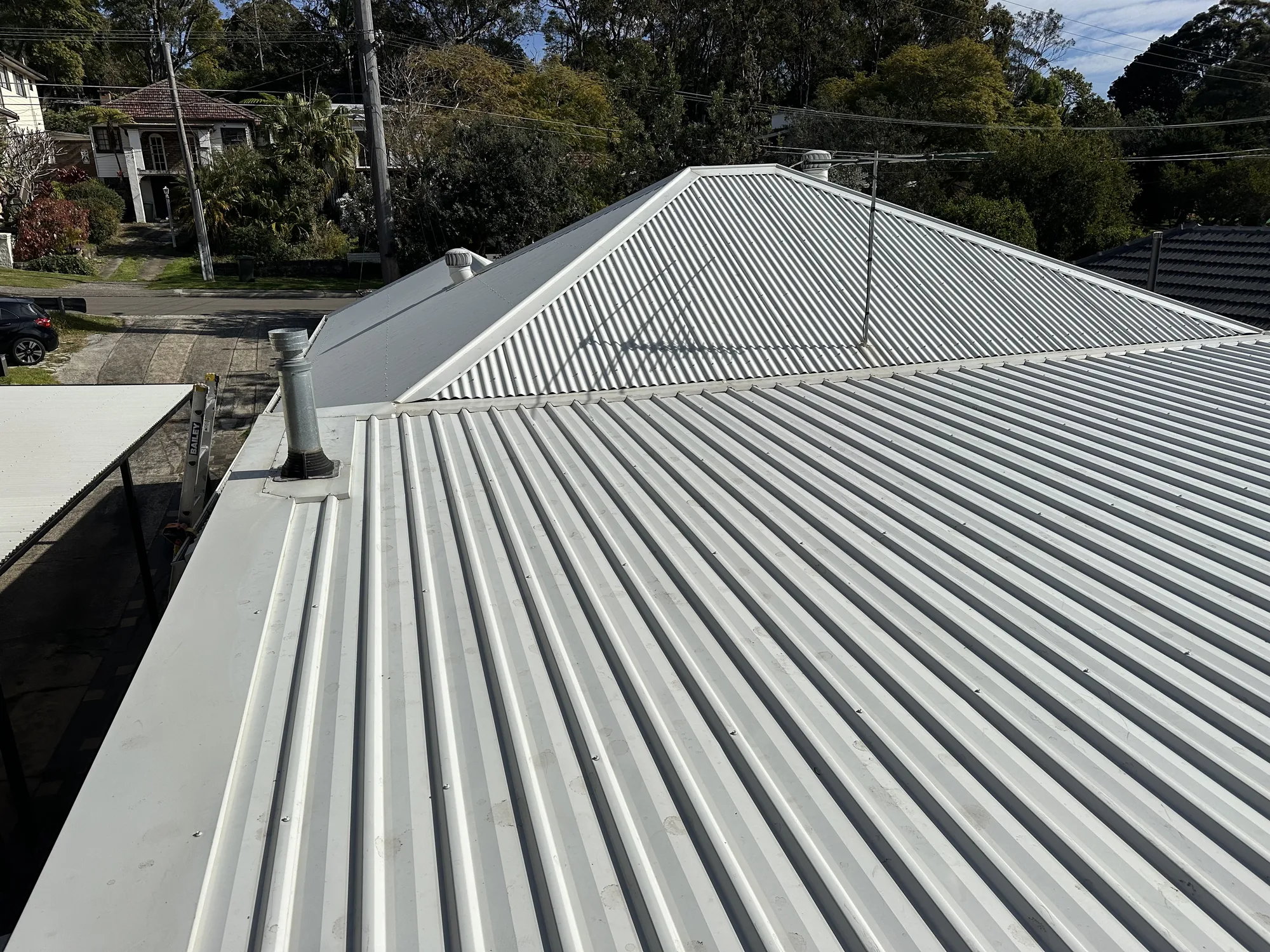
Surface-mounted anchor points fixed to metal roofing and structural steel. Engineered for fall arrest restraint and abseil access, they're selected to suit the specific roof sheet profile and substrate. Anchor type varies with the building — there is no single anchor that suits every roof system.
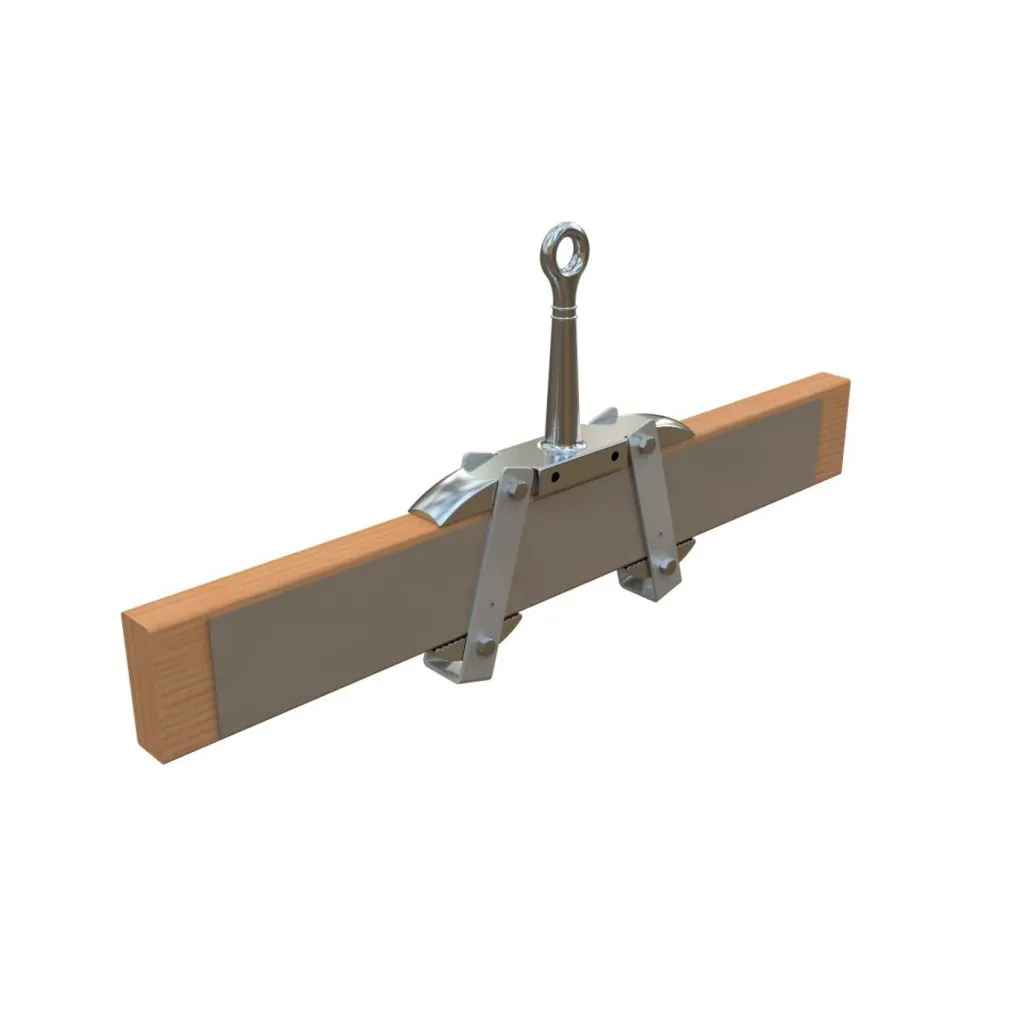
Anchor points designed for timber-framed and timber truss roof structures, fixing directly to sound structural timber. Suitable for fall arrest and abseil work, they provide a certified tie-off point where concrete and metal-deck anchors aren't appropriate. As with all anchors, the correct type is specified to match the roof construction.
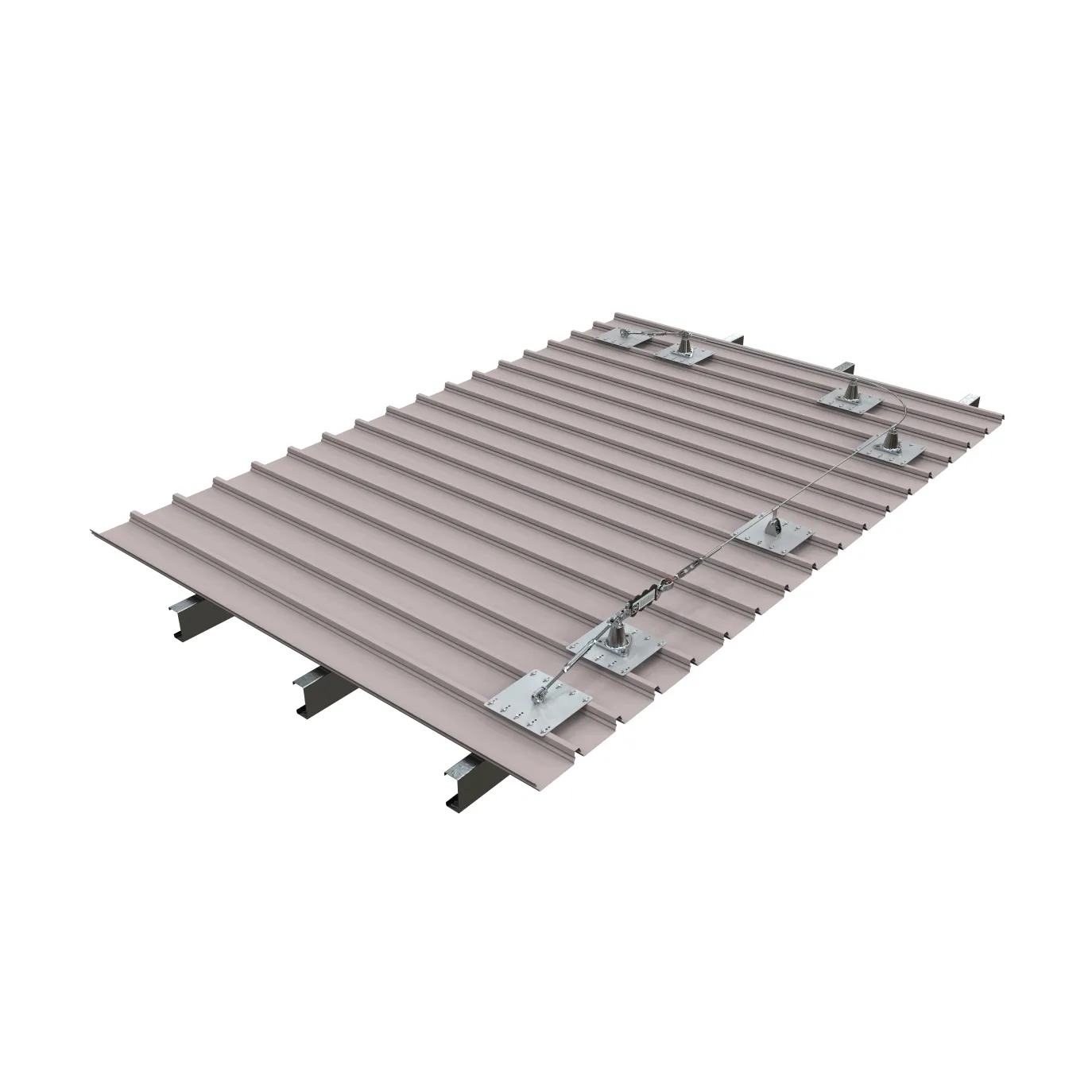
Continuous horizontal cable systems — either a tensioned wire or rigid rail — that let a worker move along a roof or facade without disconnecting their safety line. Used for fall arrest wherever continuous movement is required across an area too large for individual anchor points.
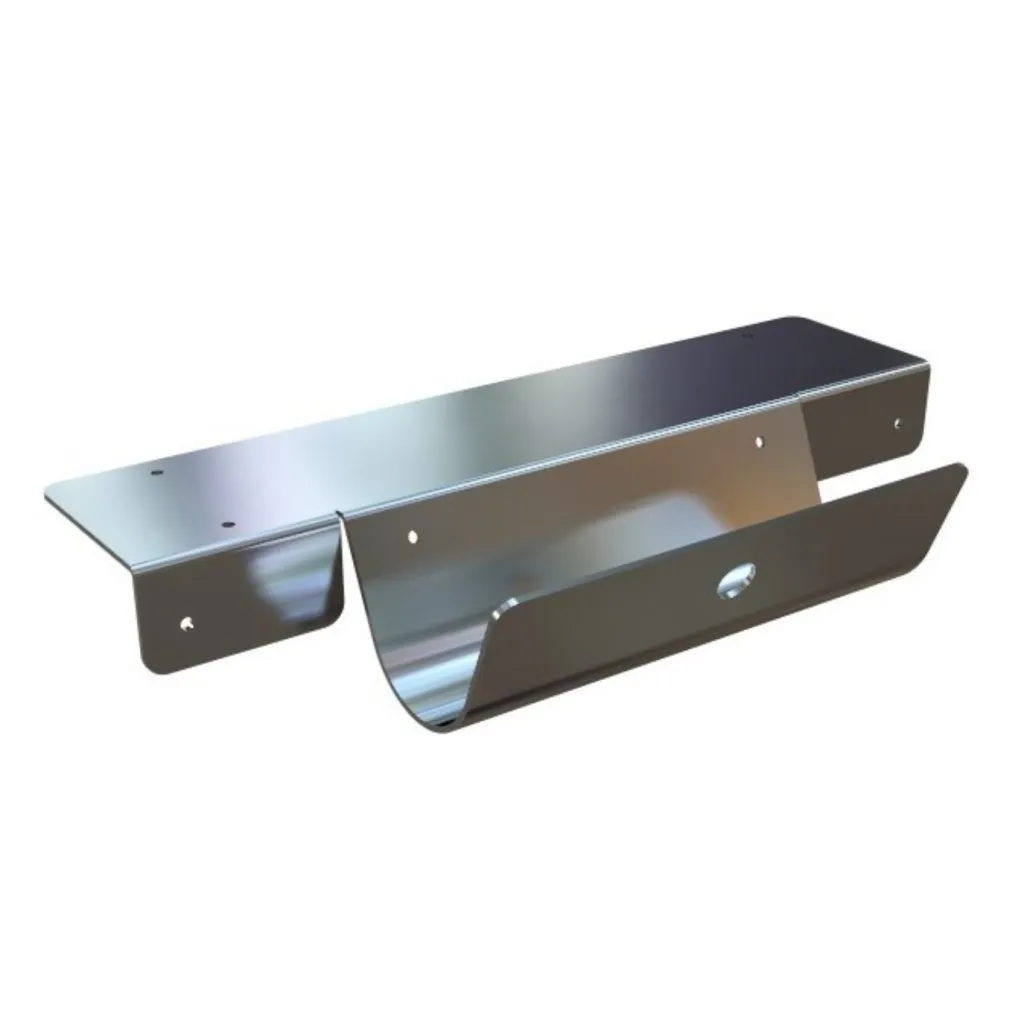
Permanently installed brackets that provide safe, compliant fixing points for access ladders and roof access. Required where regular roof entry is needed and fall risk must be managed through engineered access rather than personal protective equipment alone.






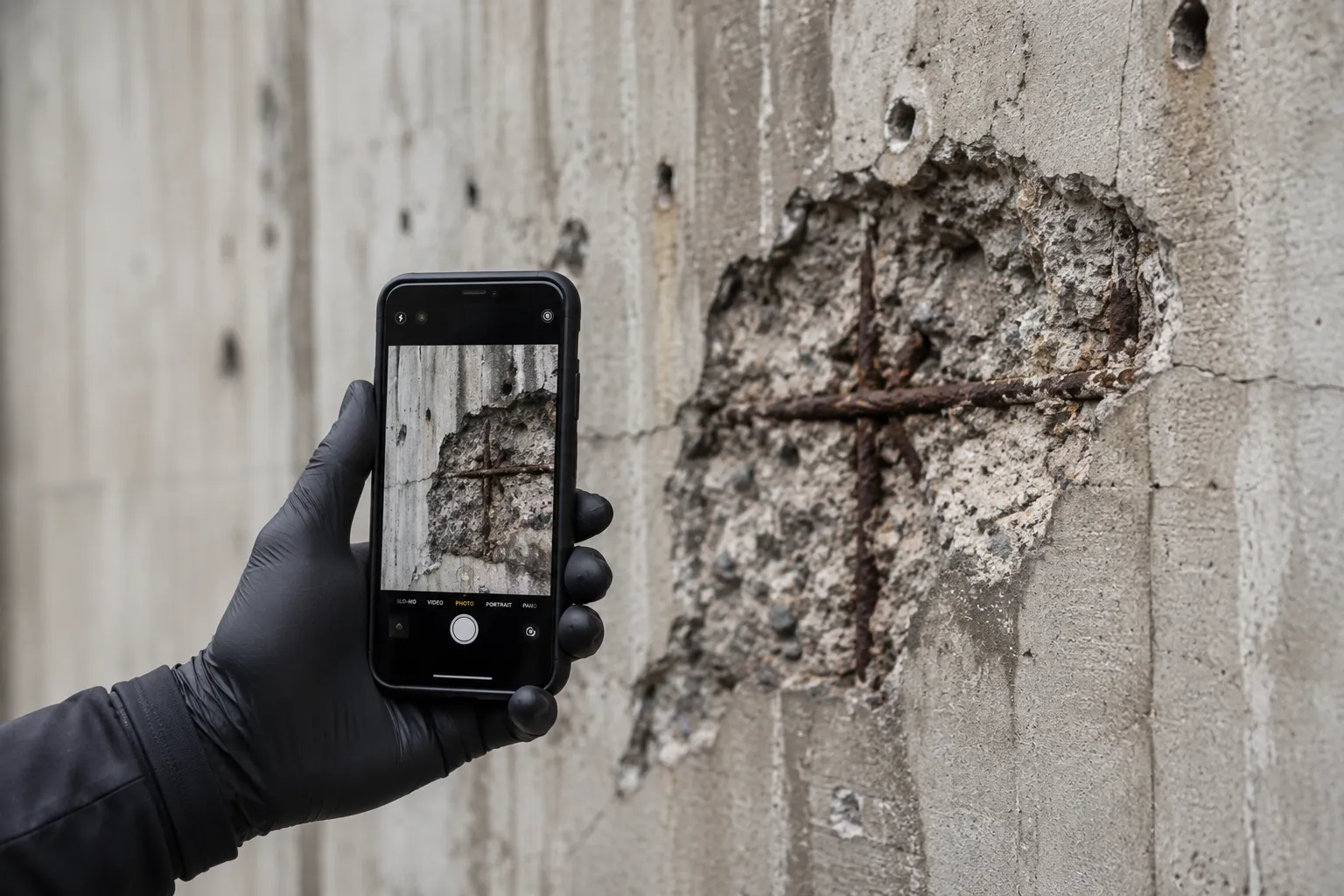
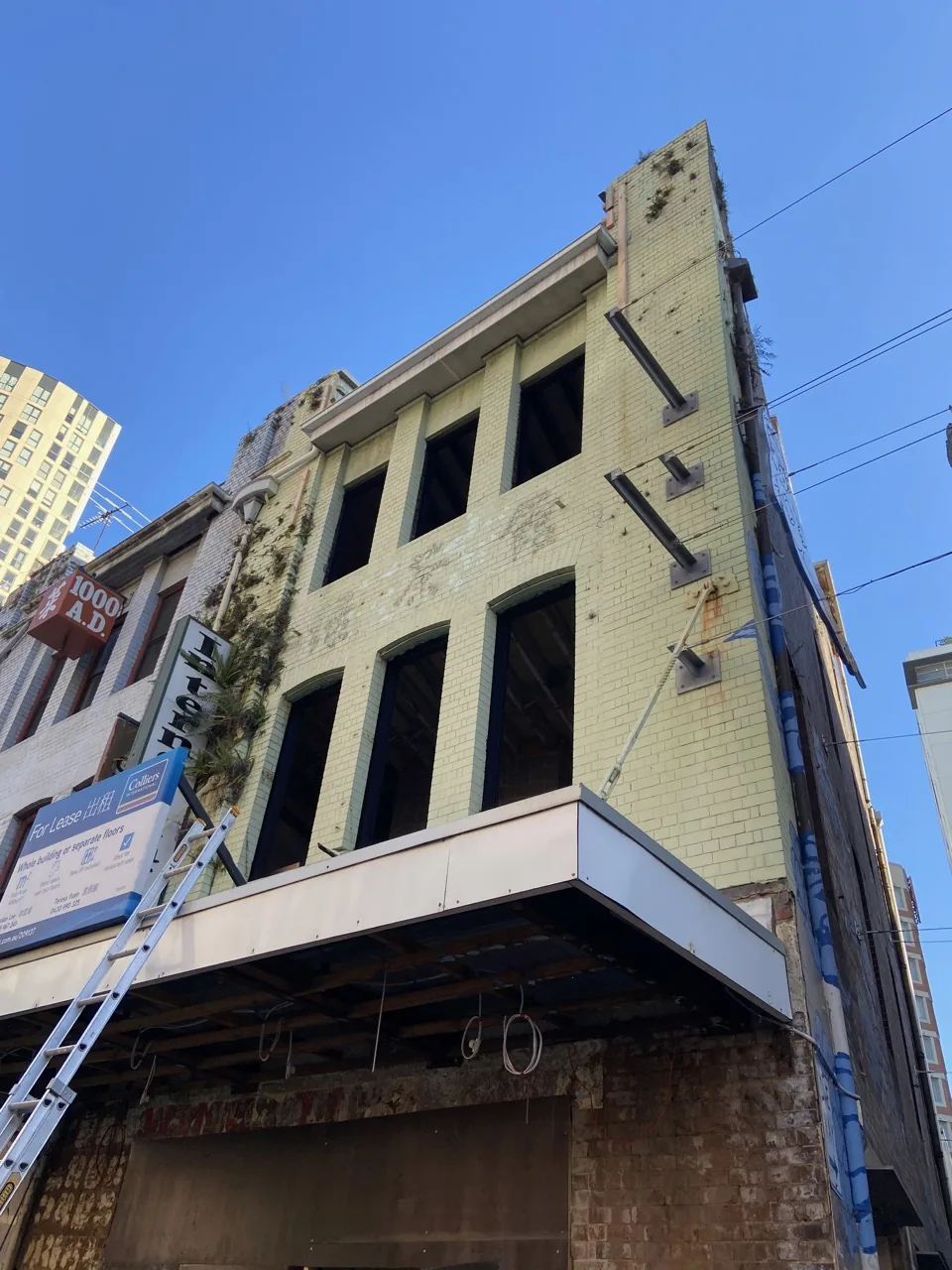
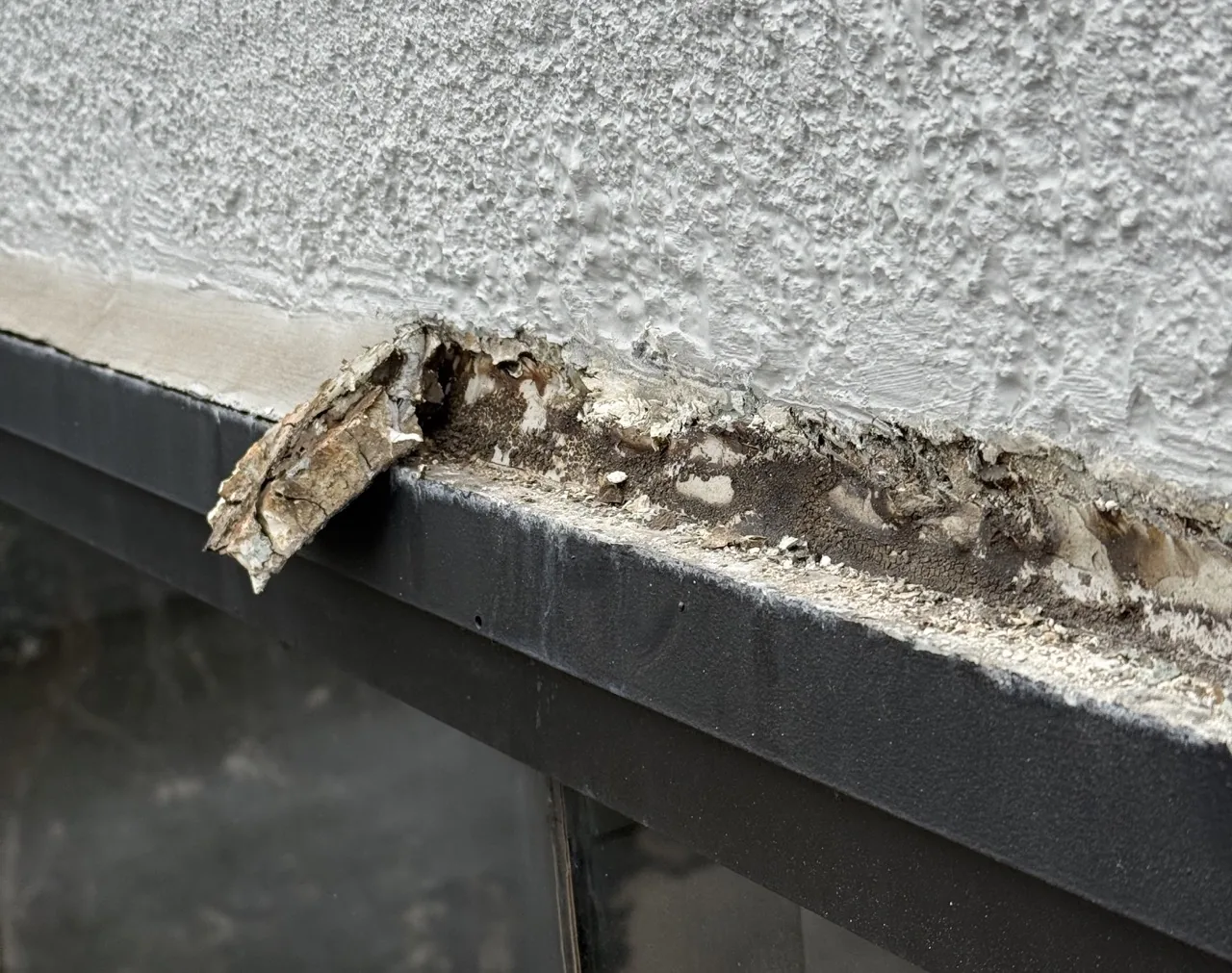
Through building inspections, condition assessments, defect reporting and maintenance recommendations.
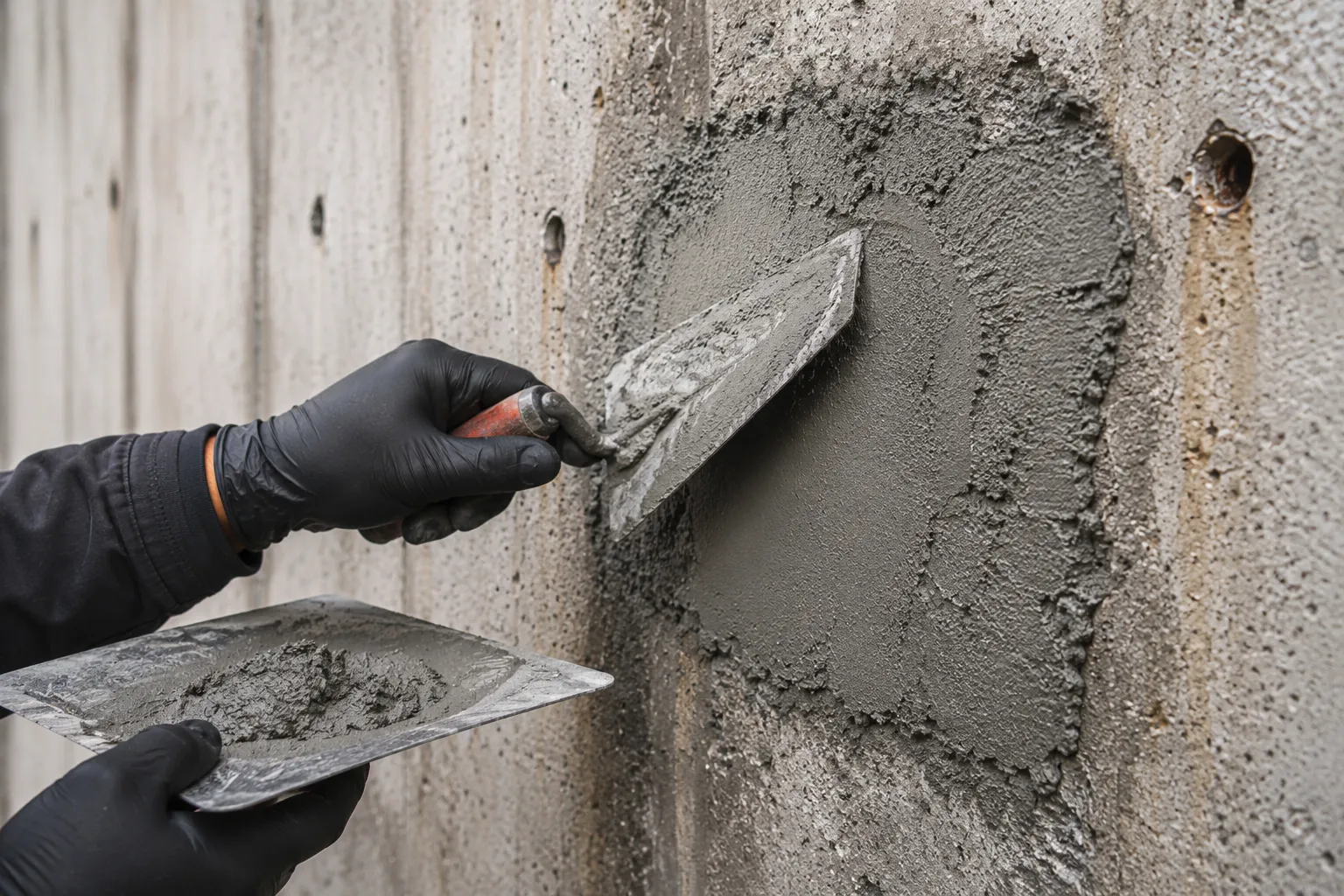
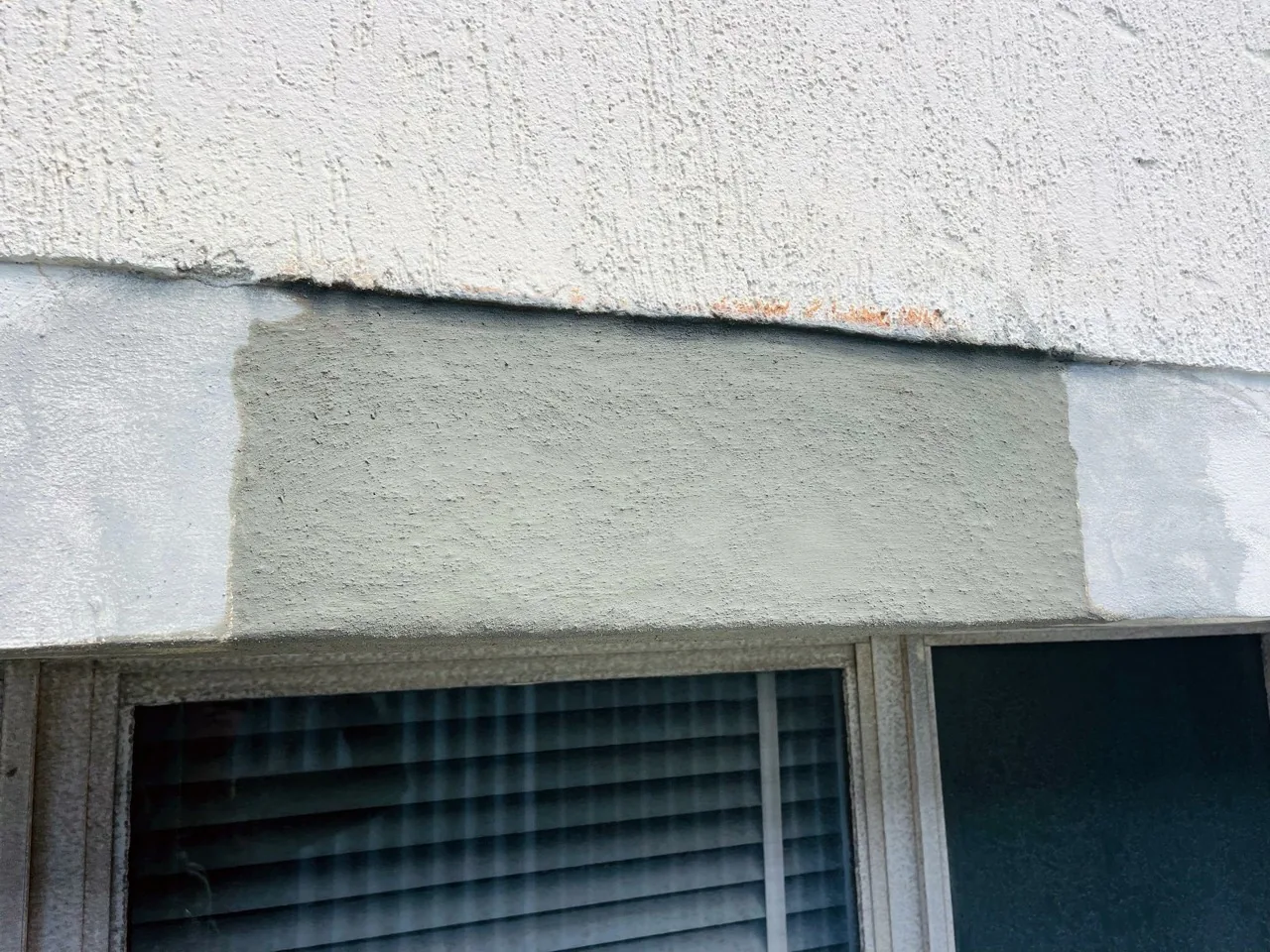
Concrete repairs, remedial works, sealant replacement, crack repairs and façade restoration.

Painting, protective coatings and waterproofing systems to preserve and extend your asset life.
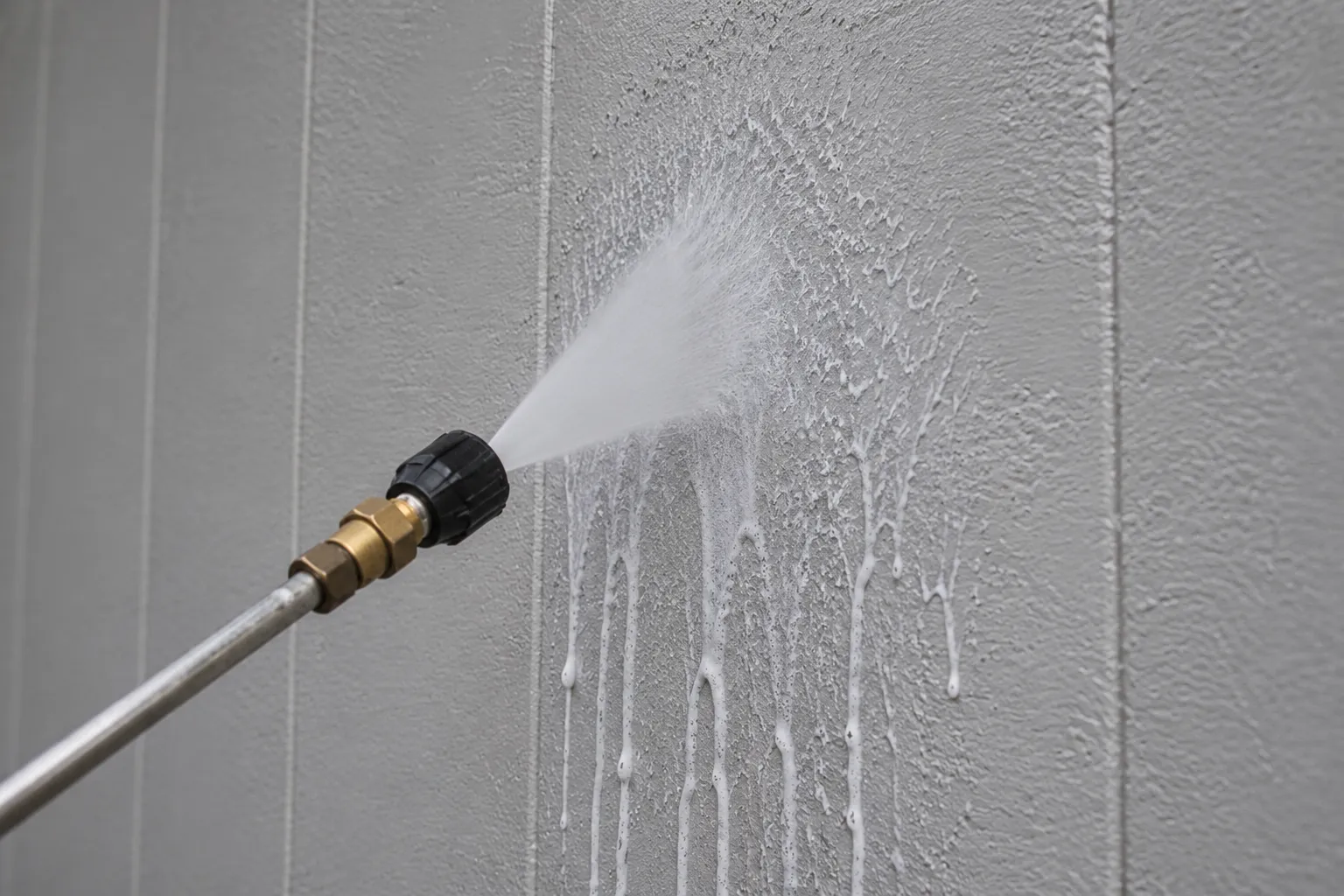
Planned building washing, window cleaning, anchor testing, preventative maintenance and ongoing care.


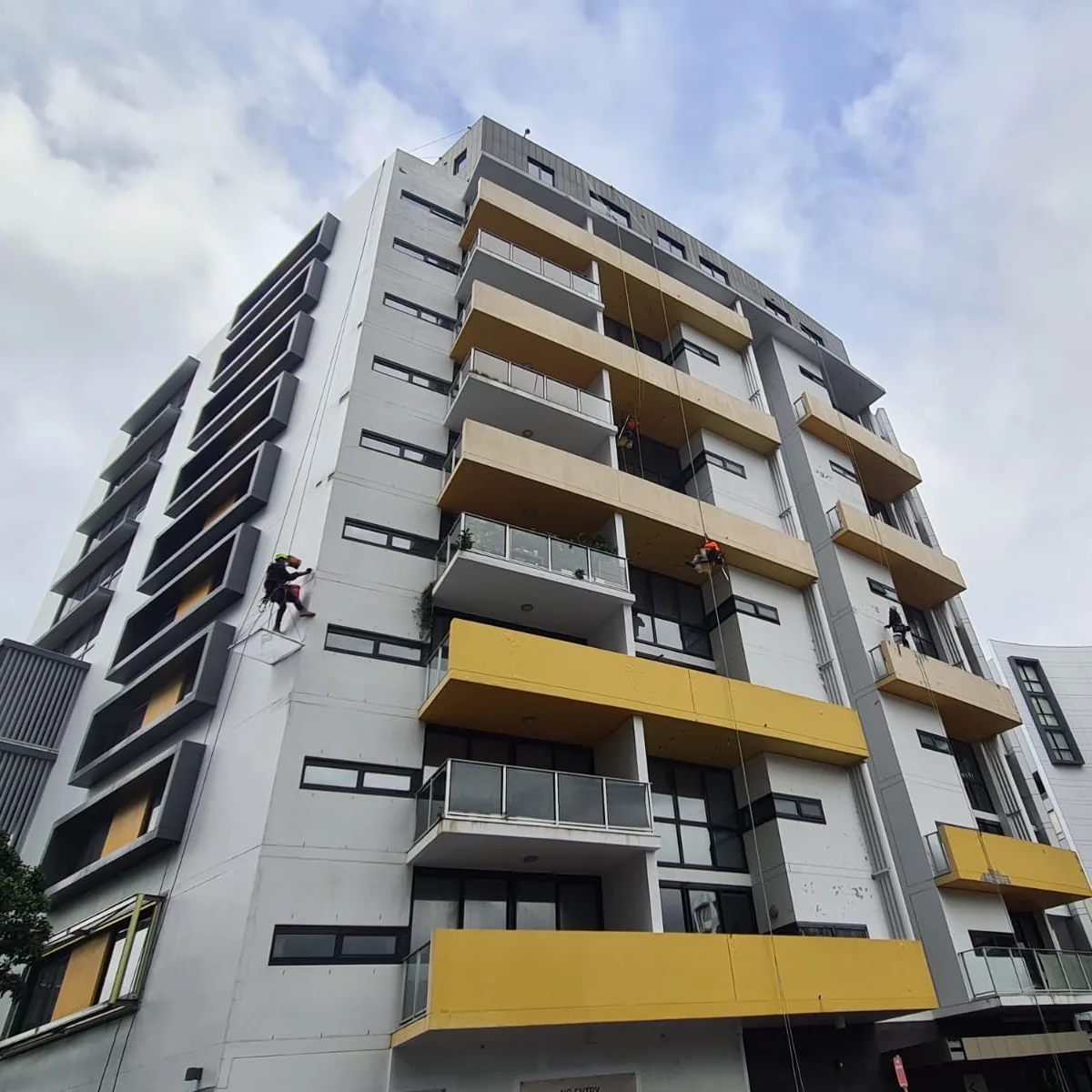
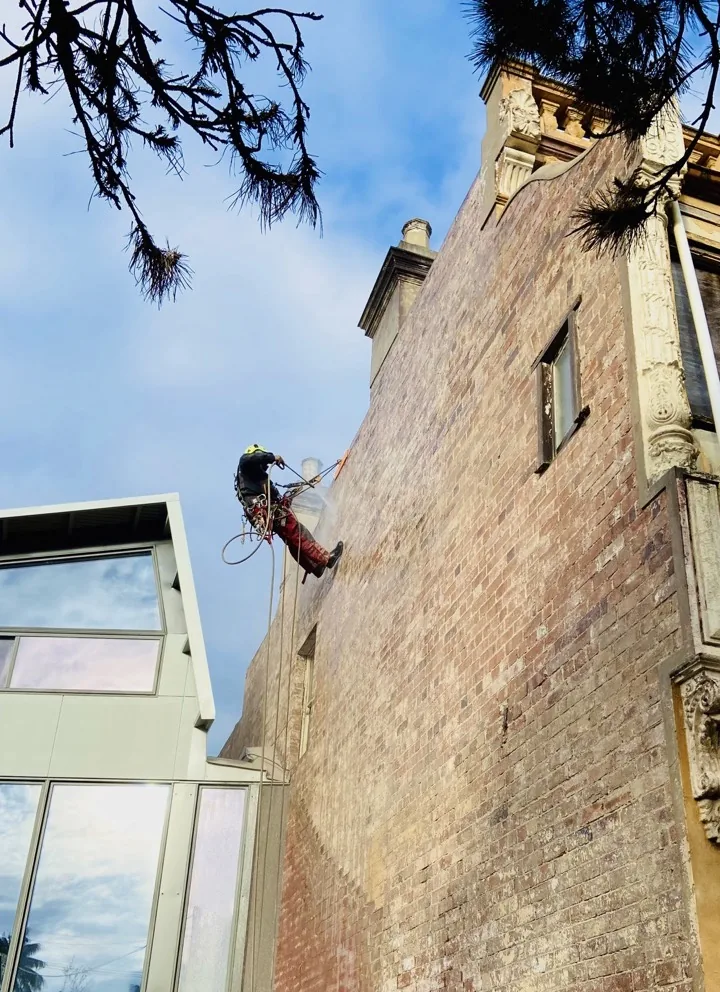
Whether a project requires rope access, EWP access, ladders or ground-based access, we use the safest and most efficient method to complete painting, remedial and maintenance works.
UPKEEP provides rope access painting, facade maintenance, concrete repairs, remedial works, sealant replacement, soft washing, window cleaning, roof cleaning, anchor testing and building inspections throughout Sydney.
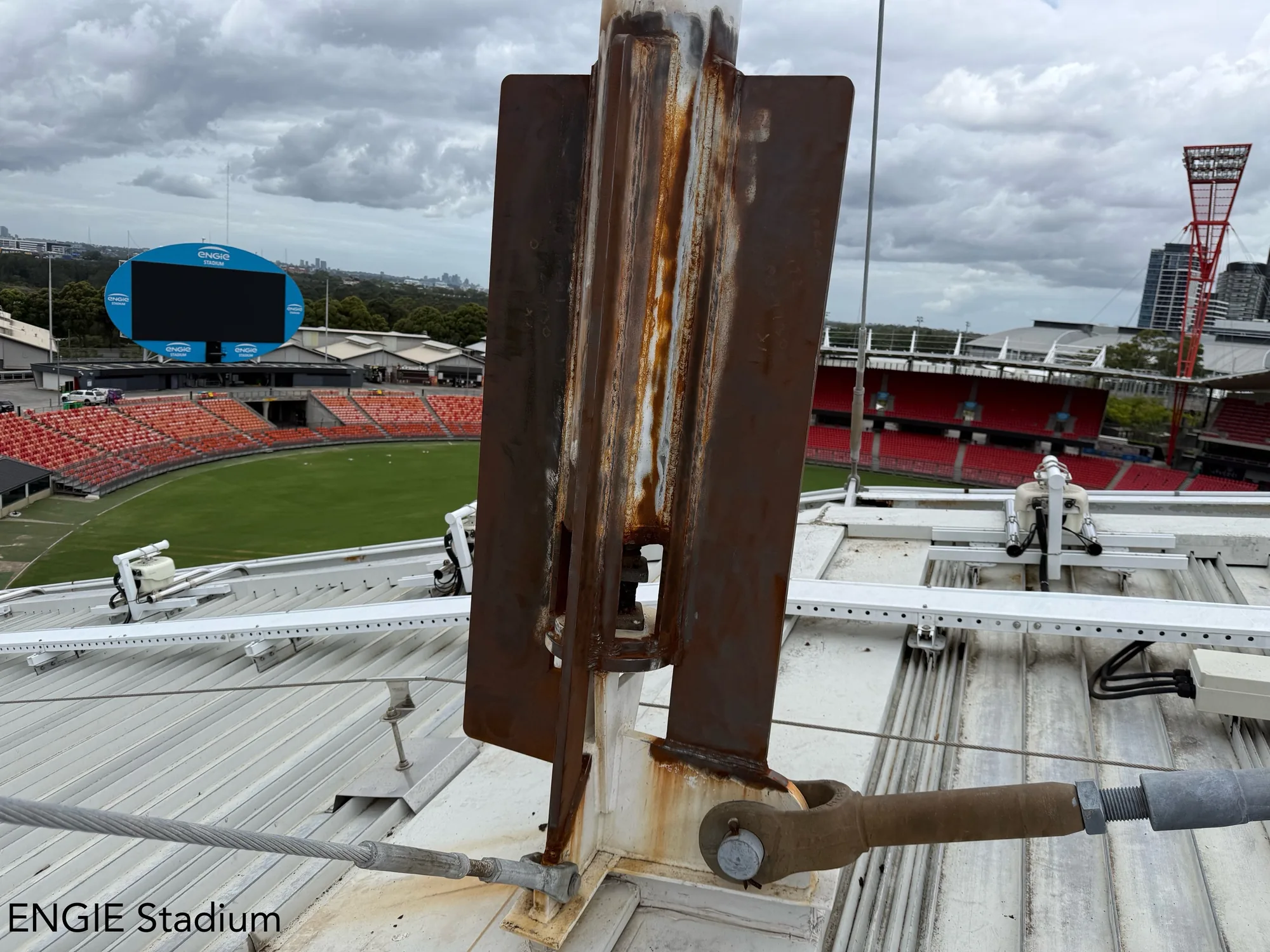

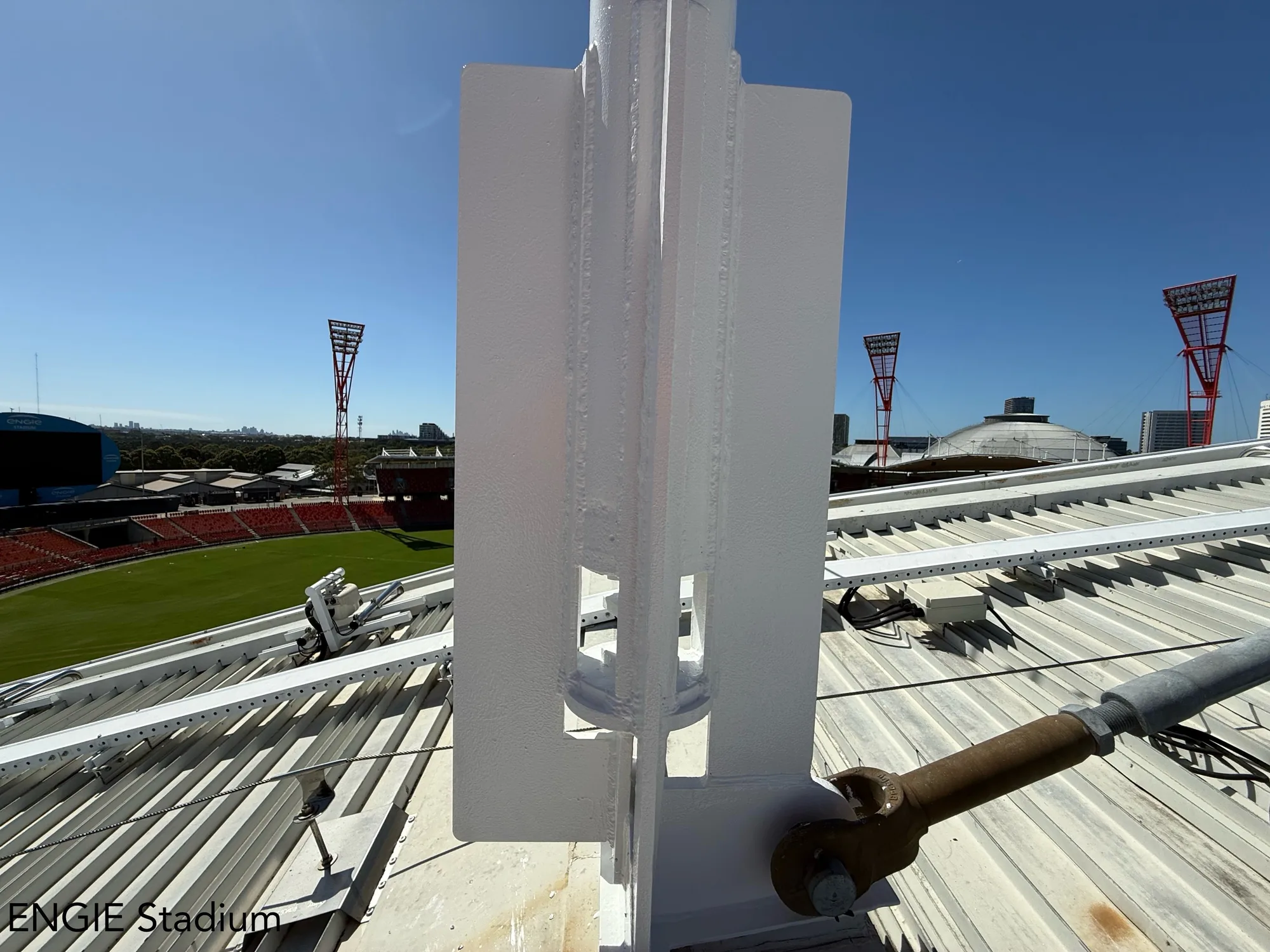

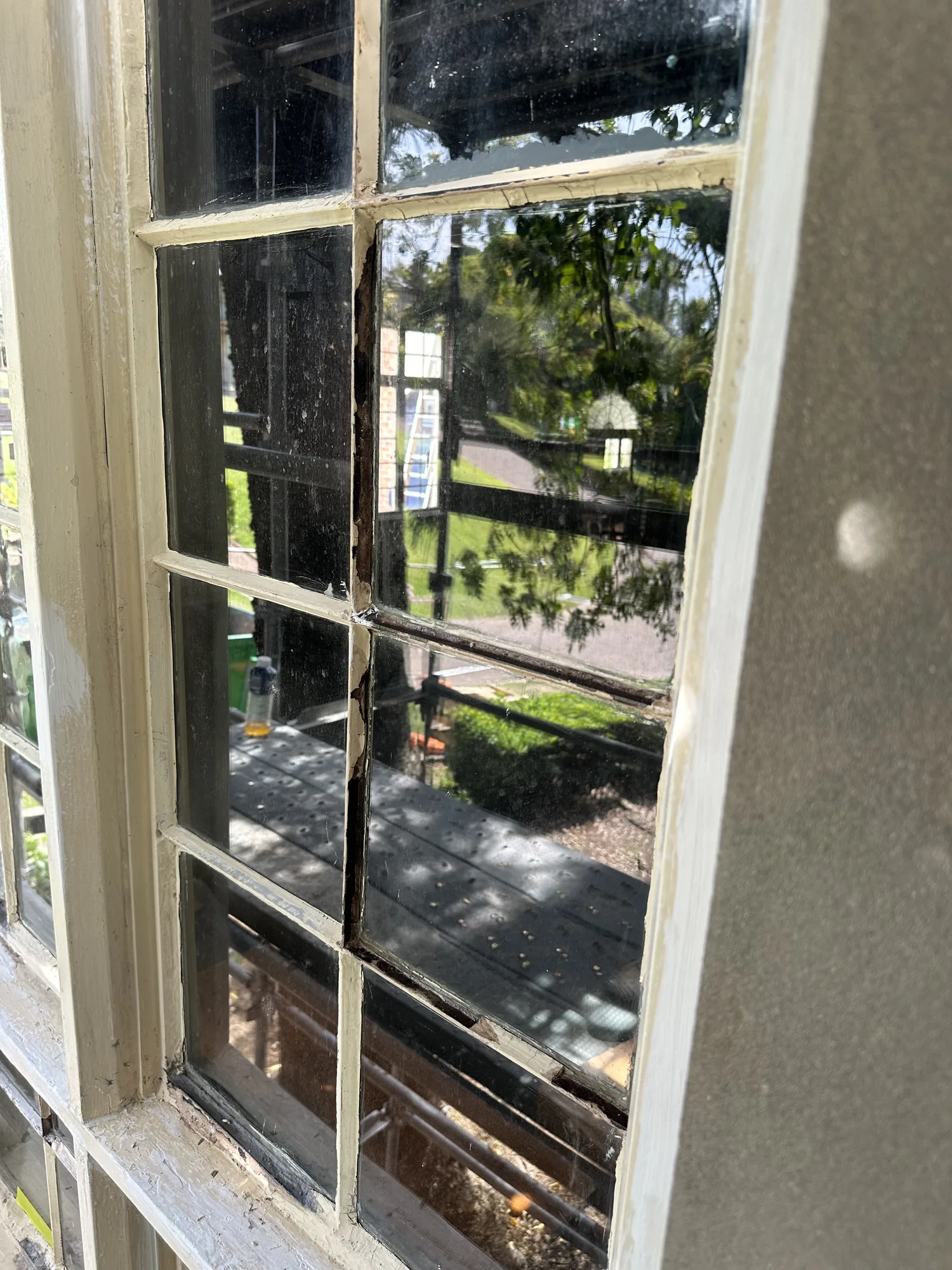
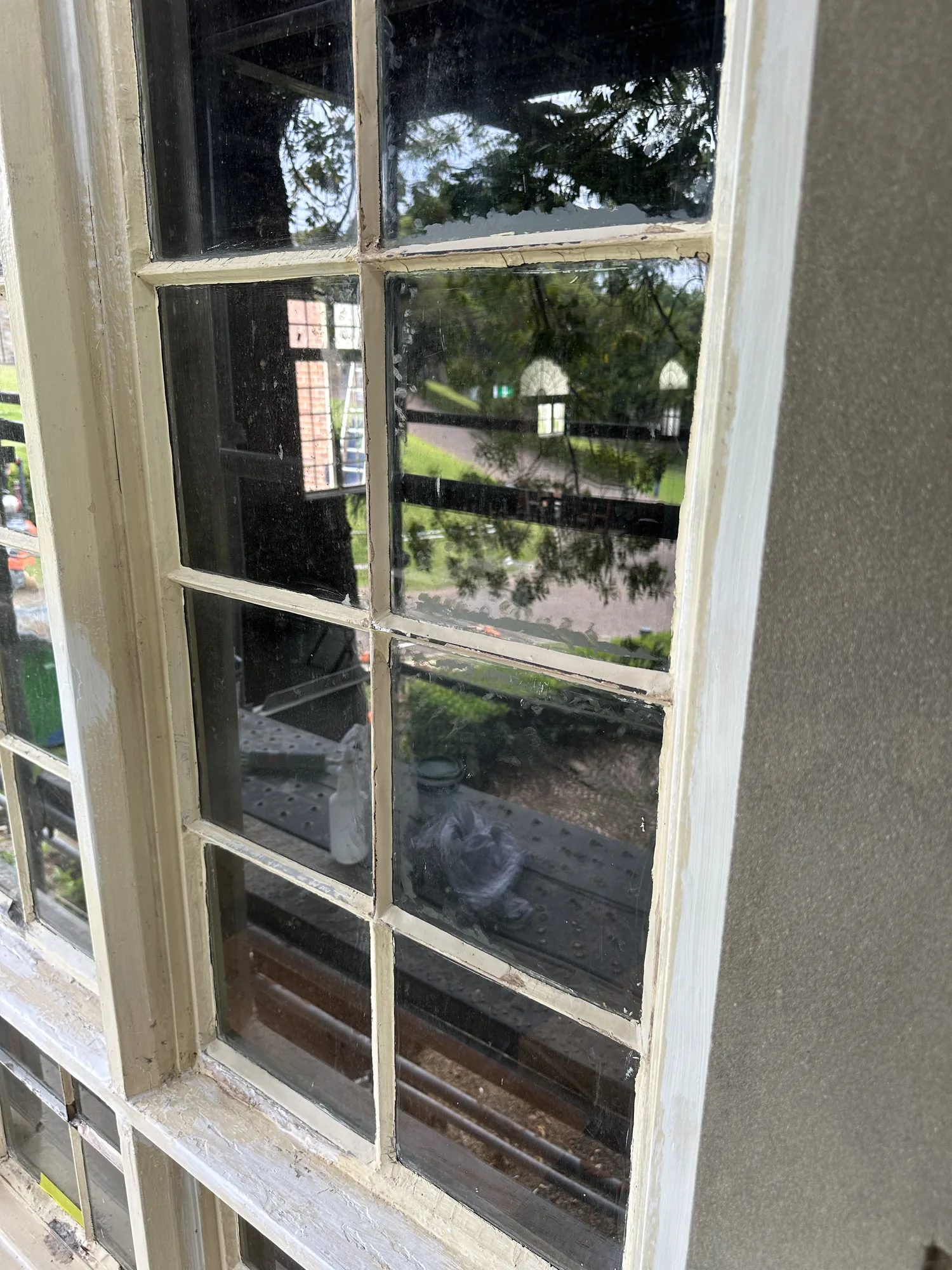
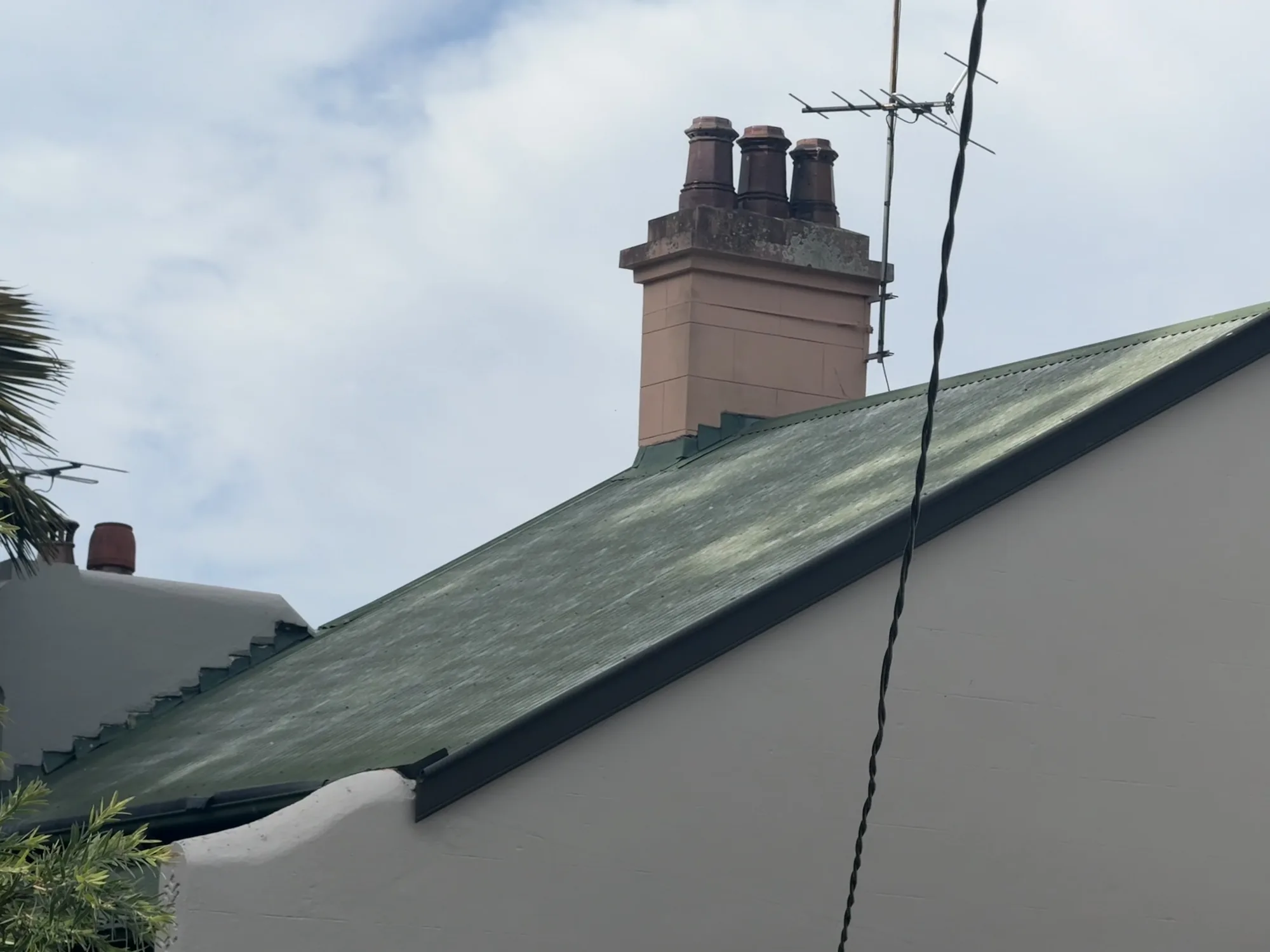


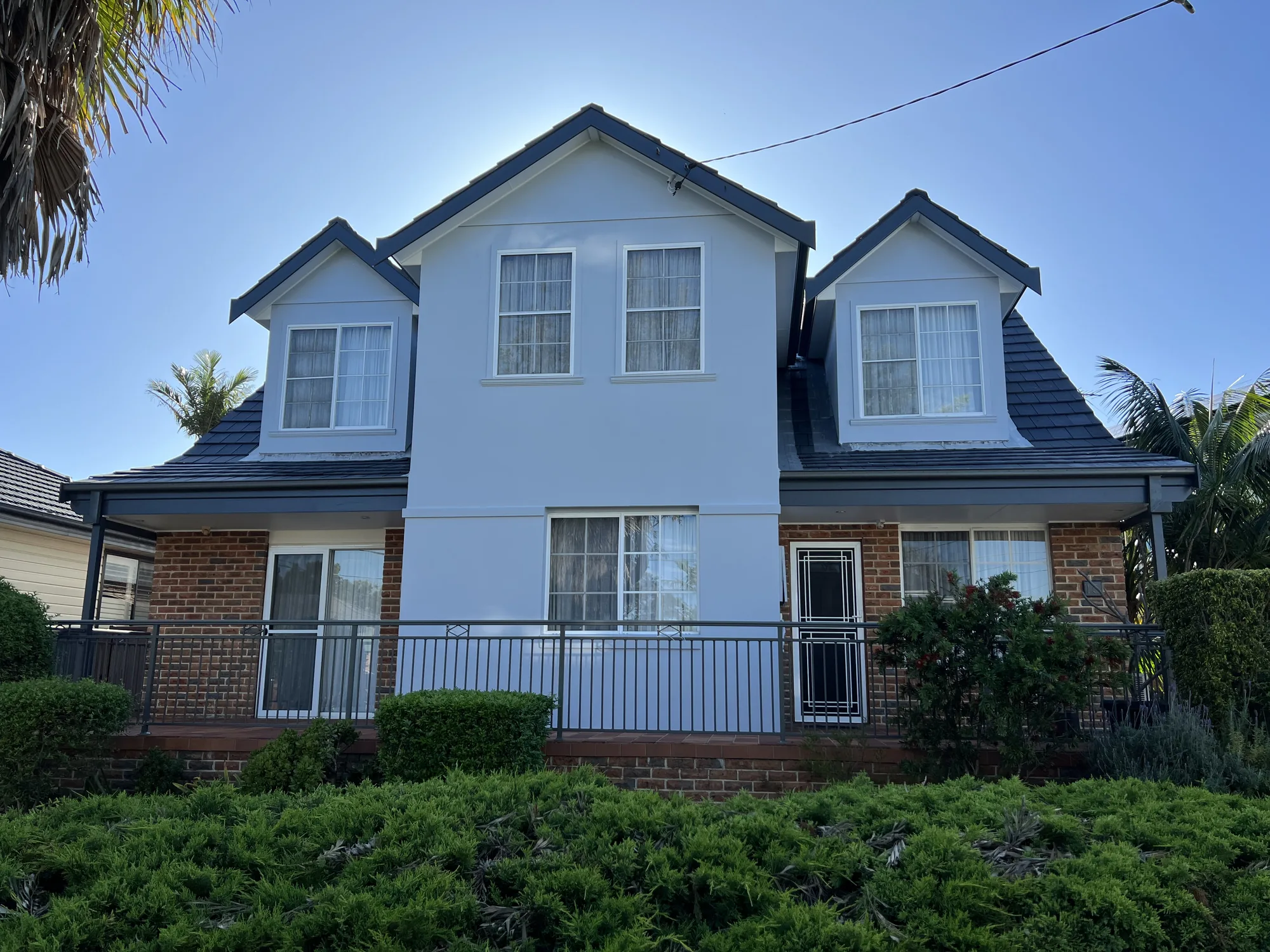

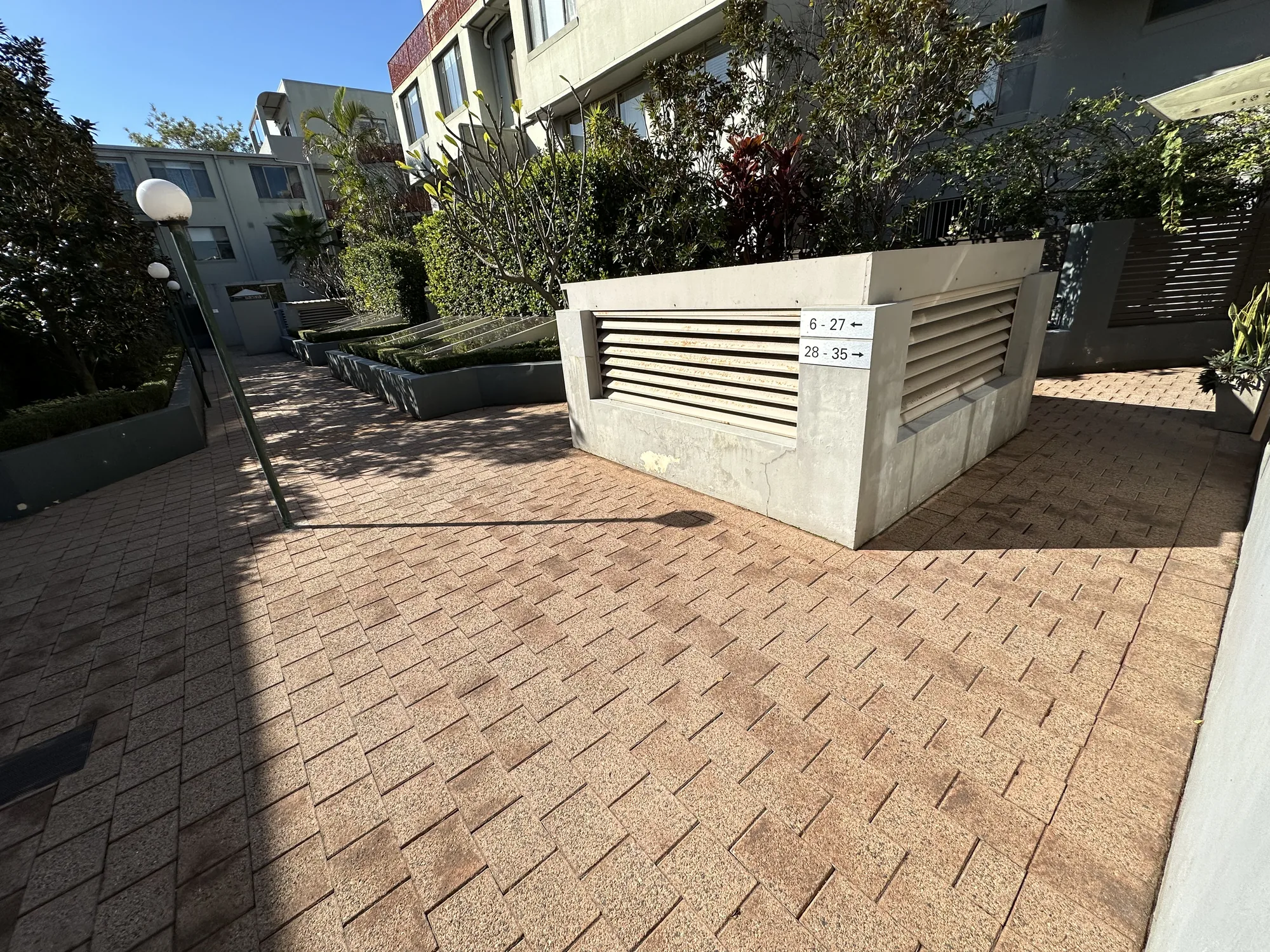

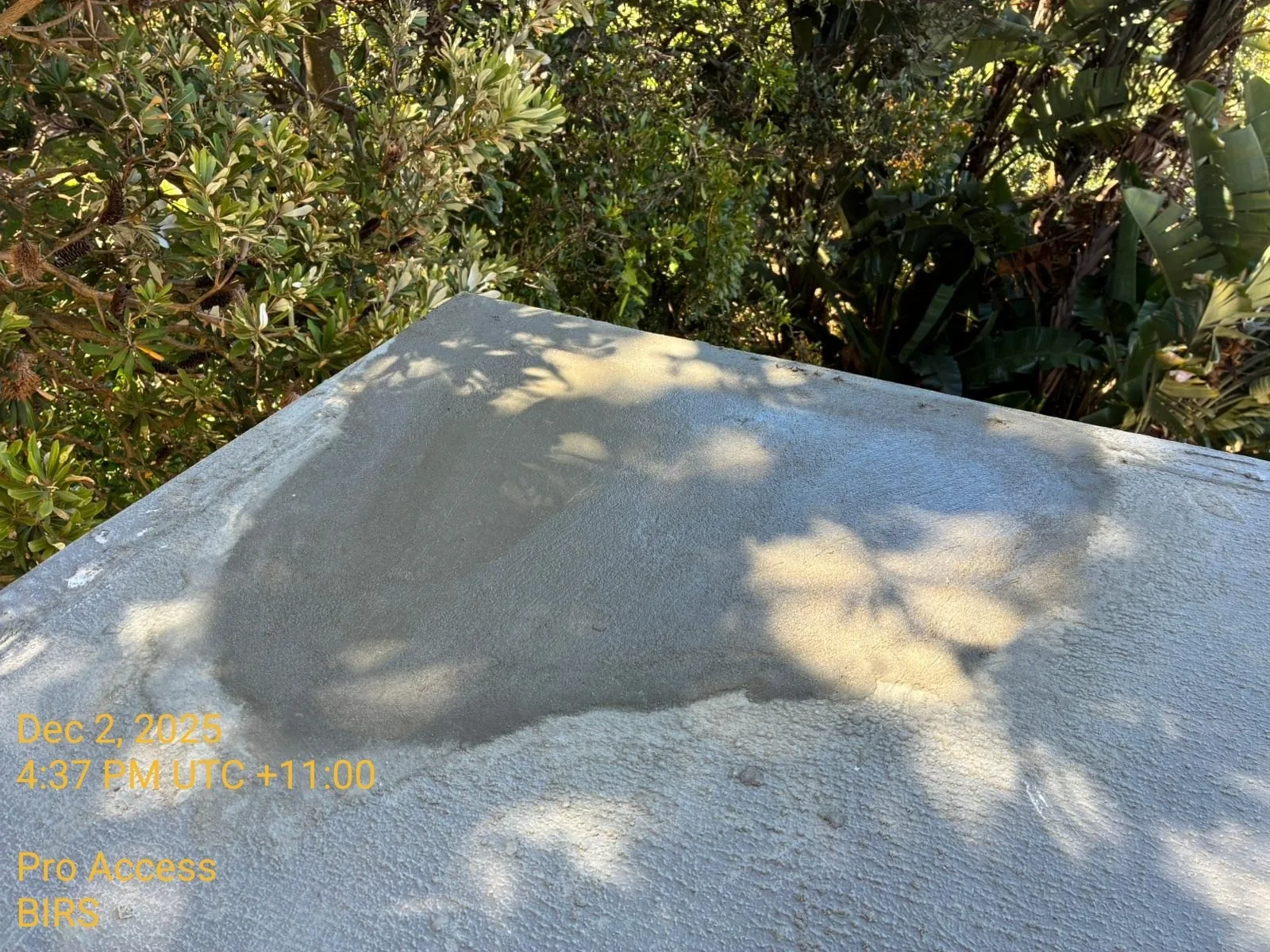
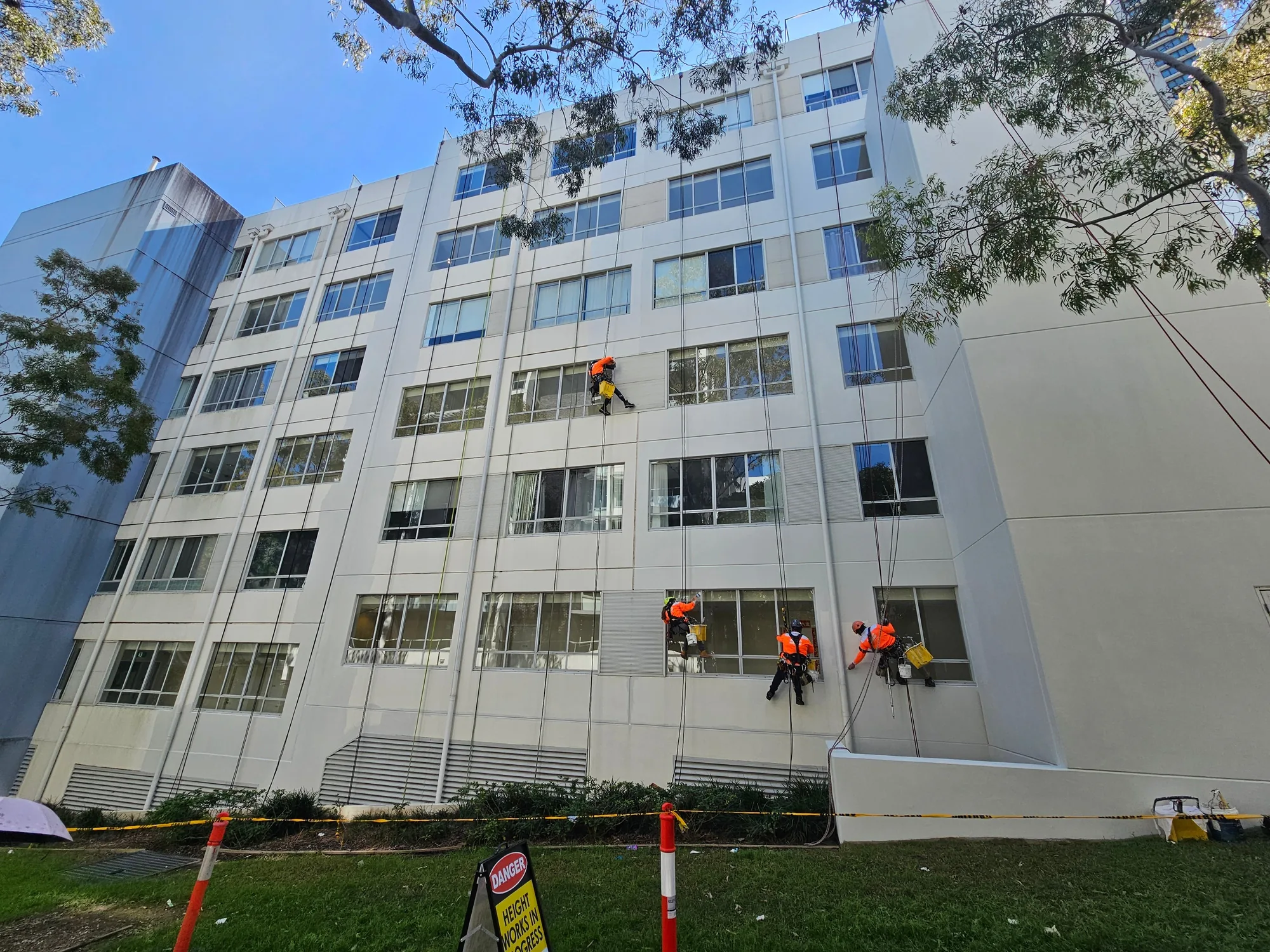
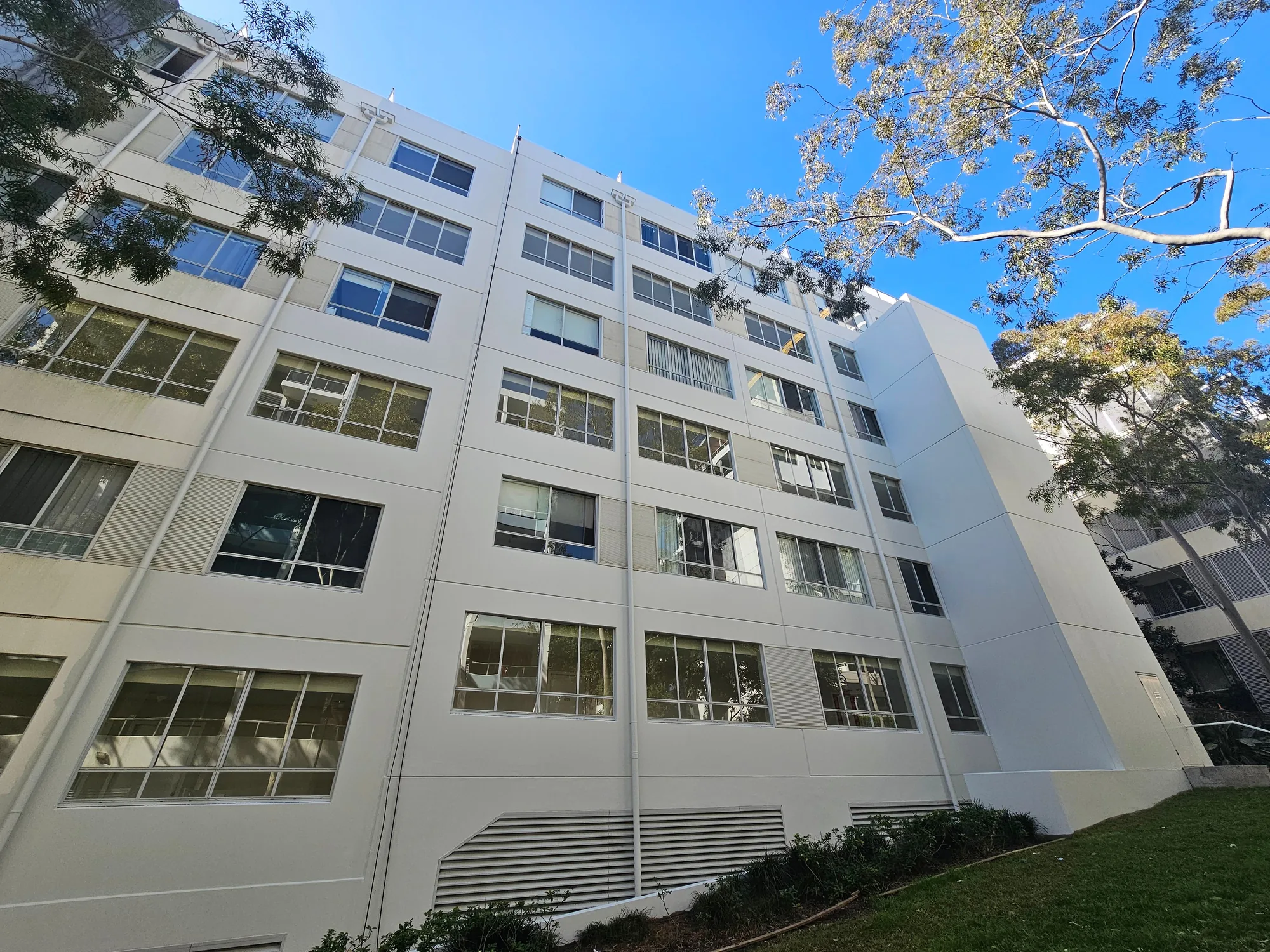

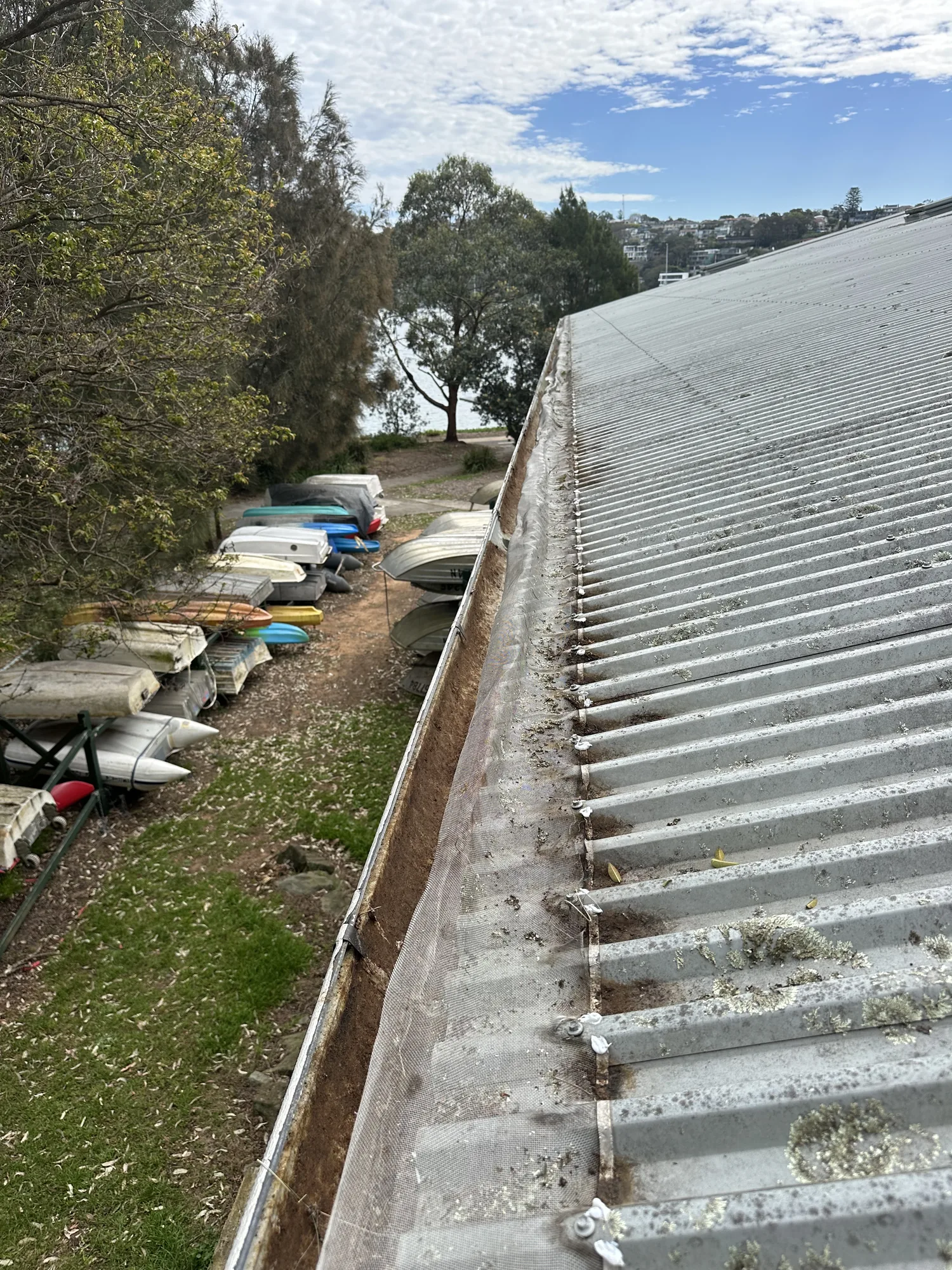


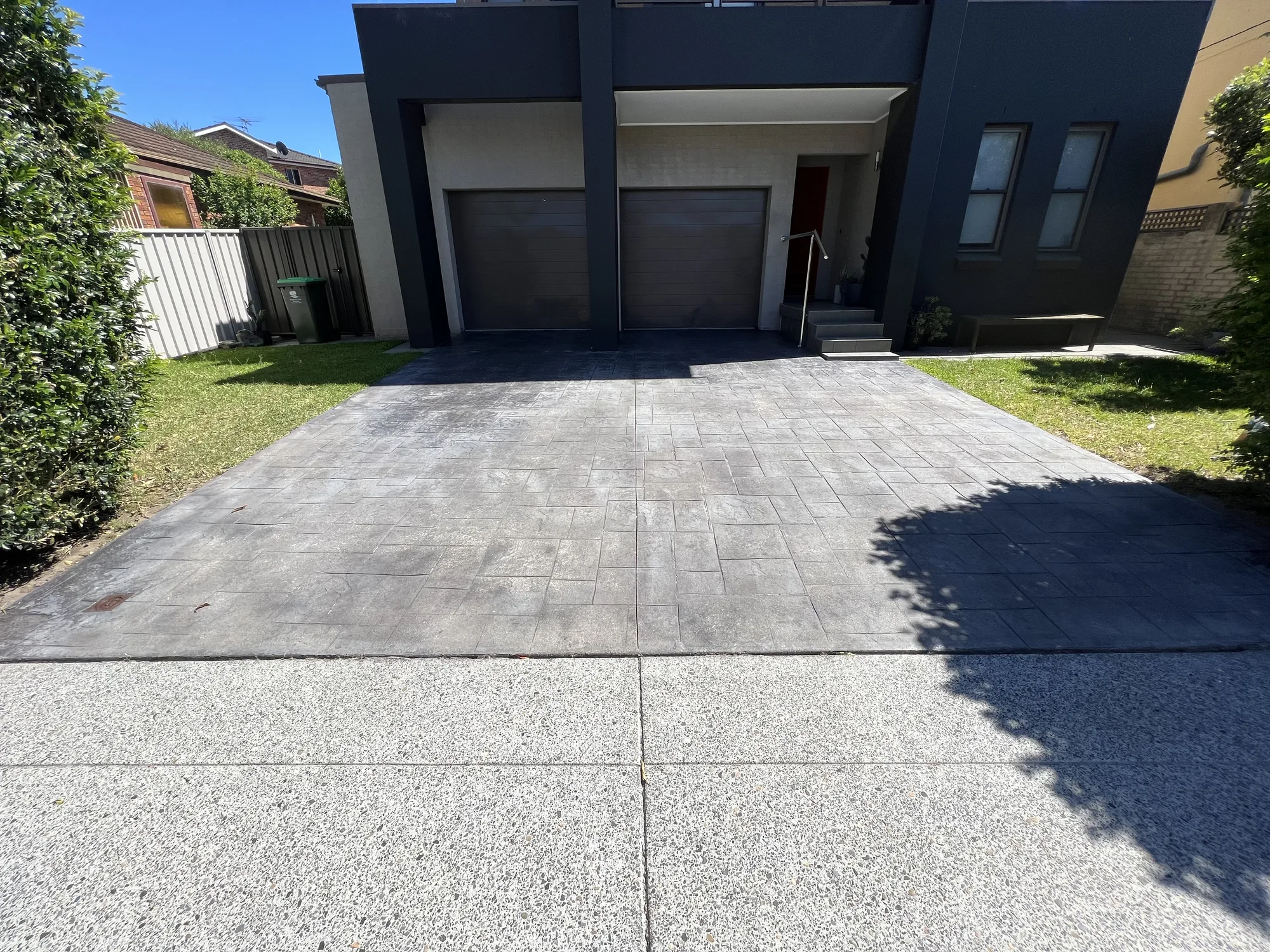
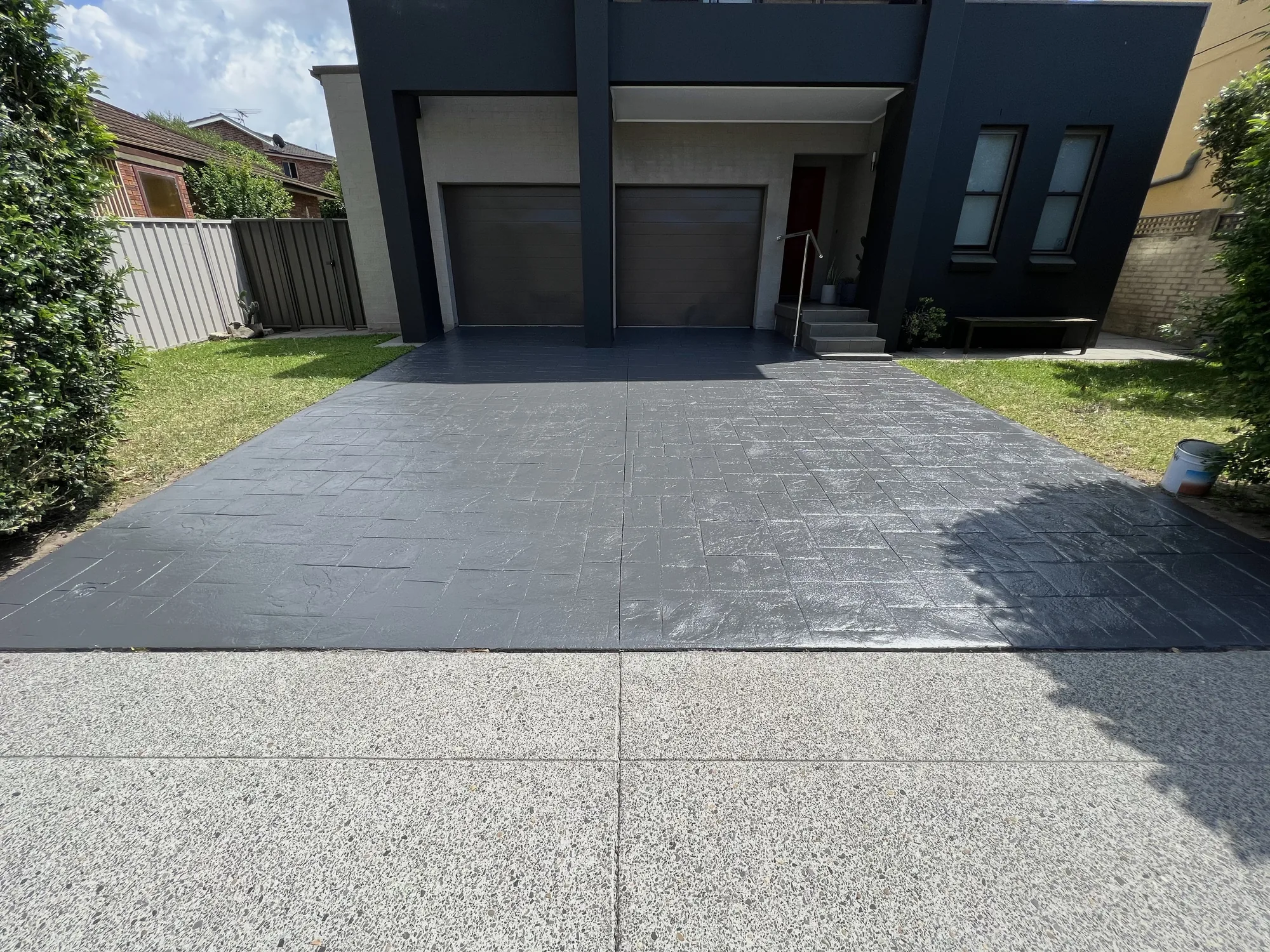


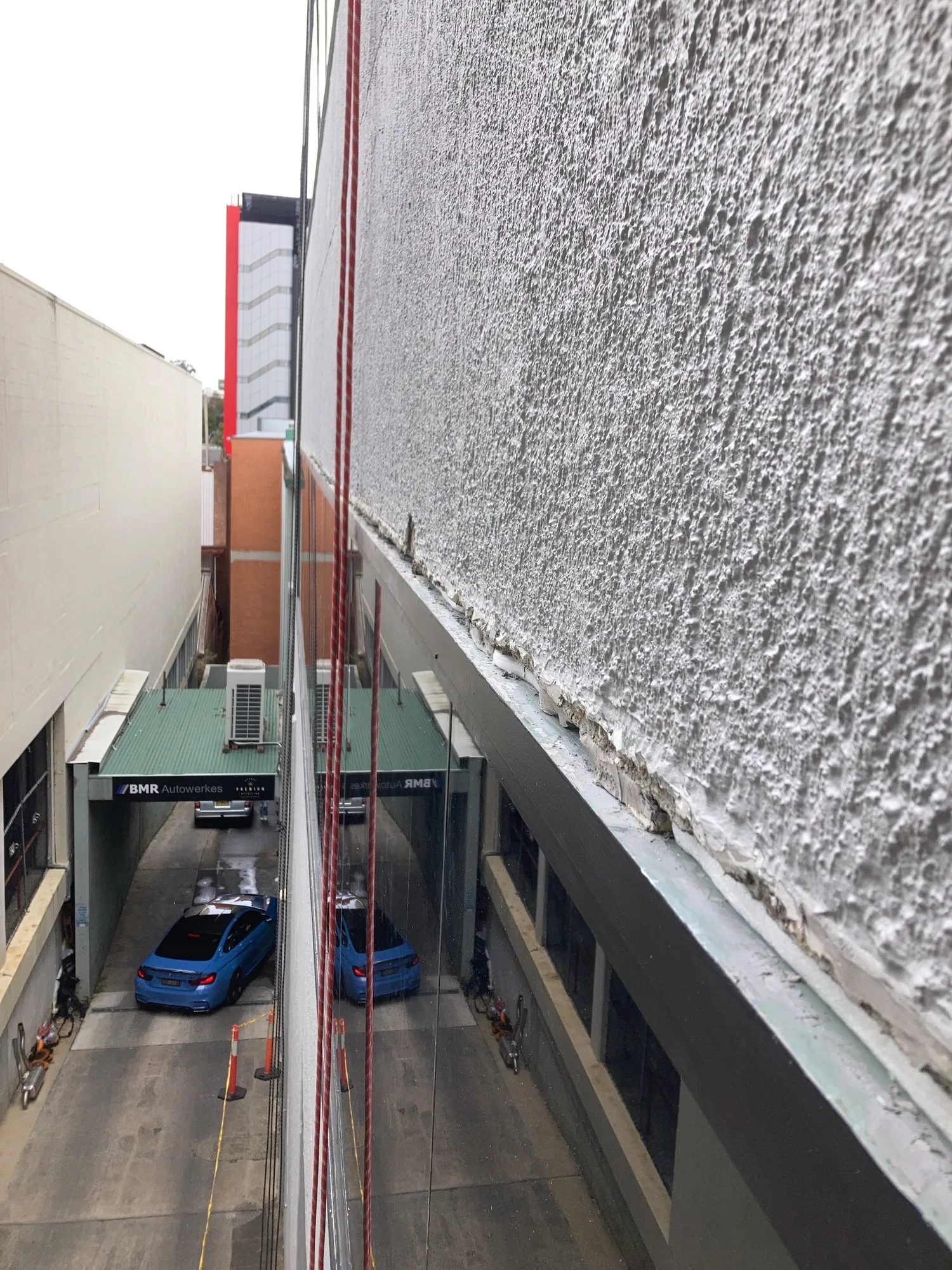

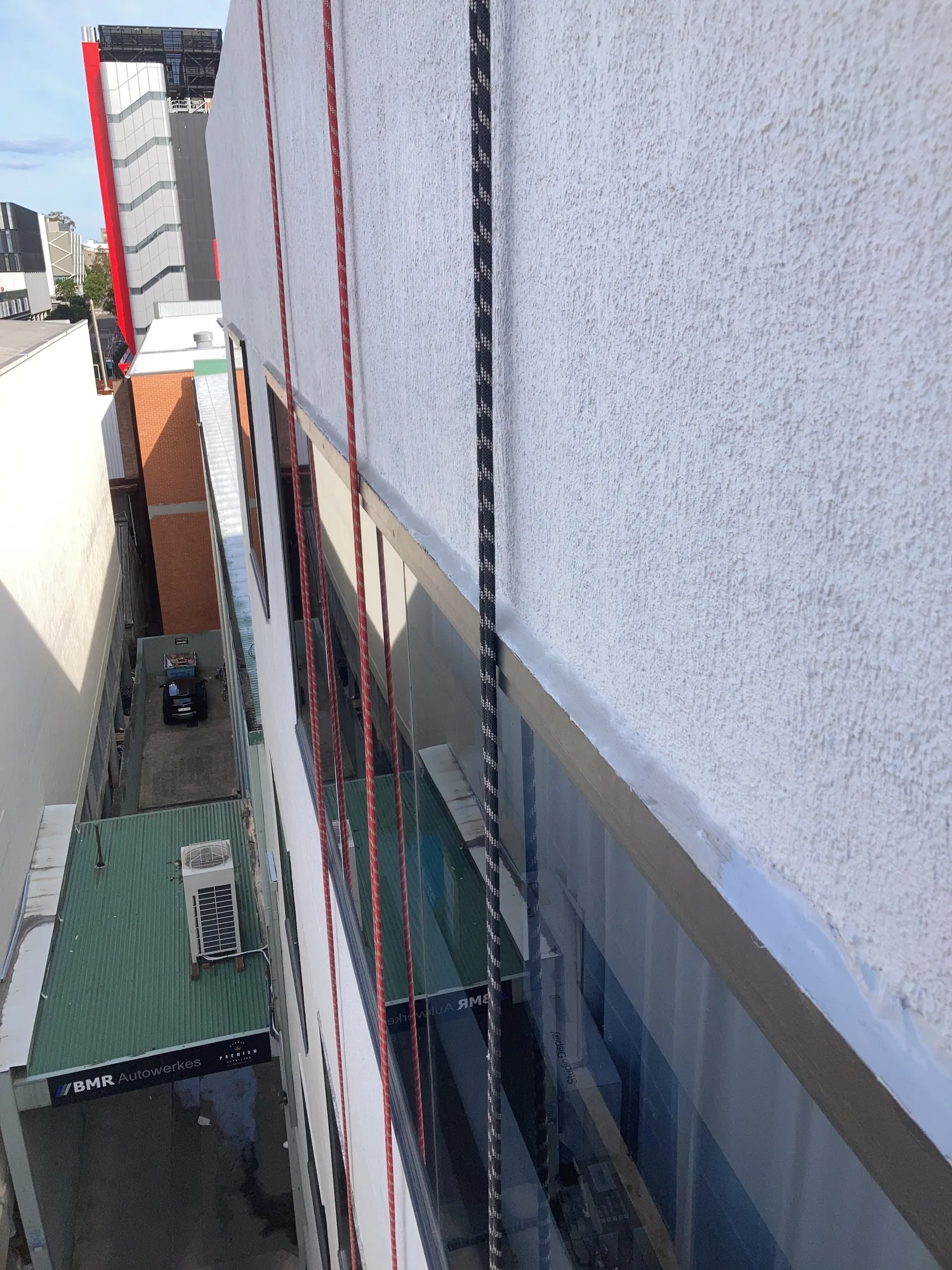
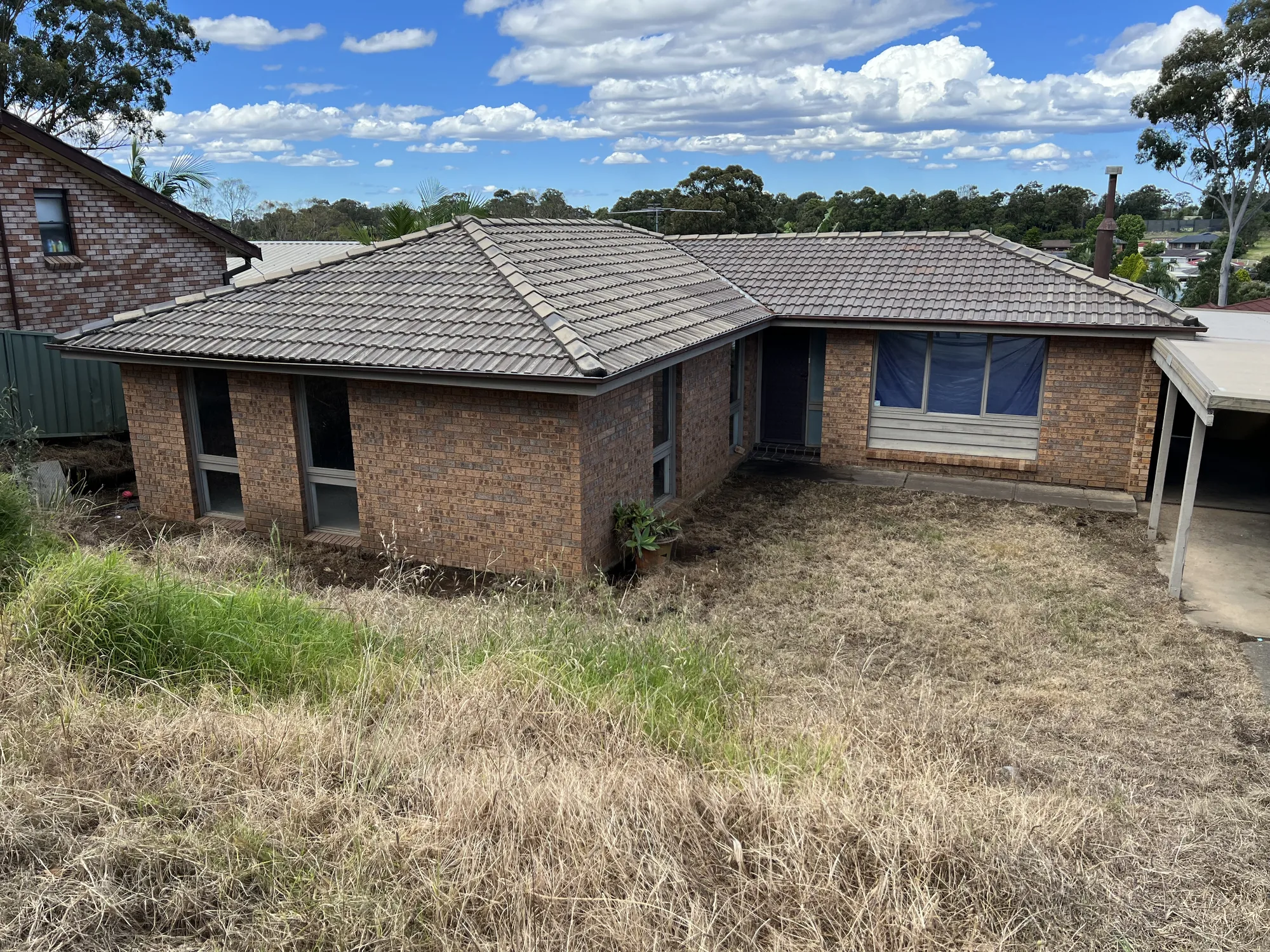

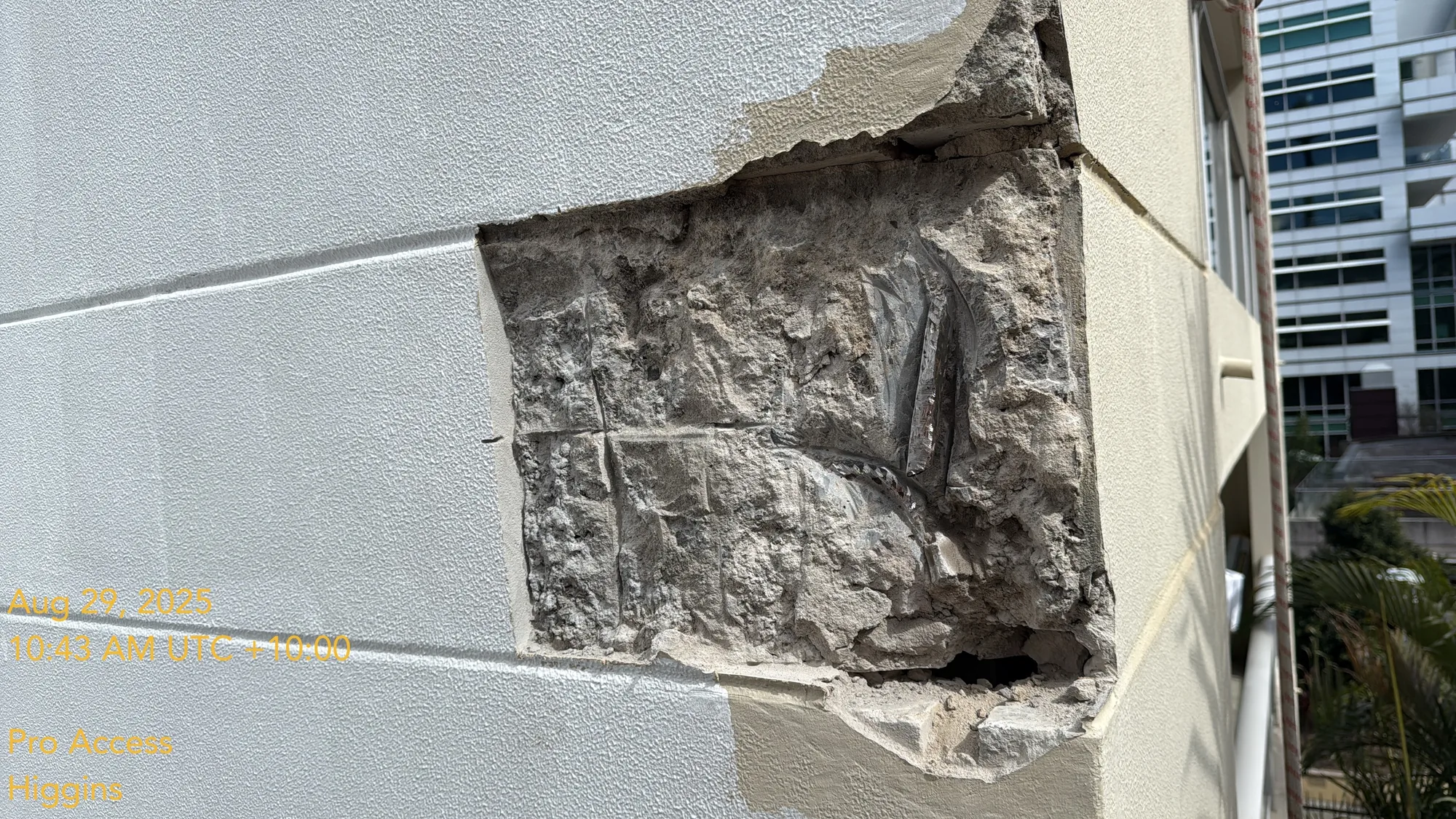

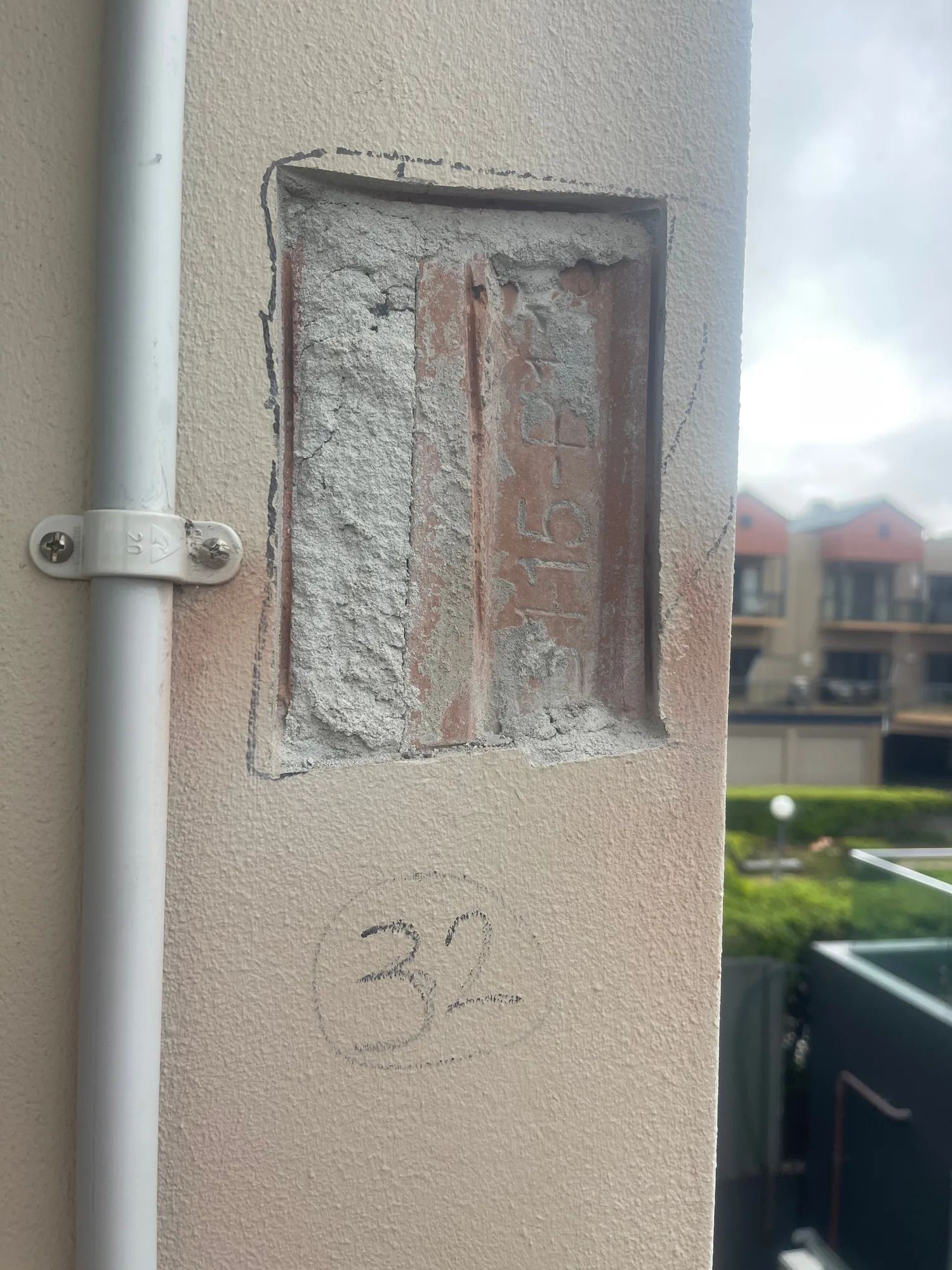





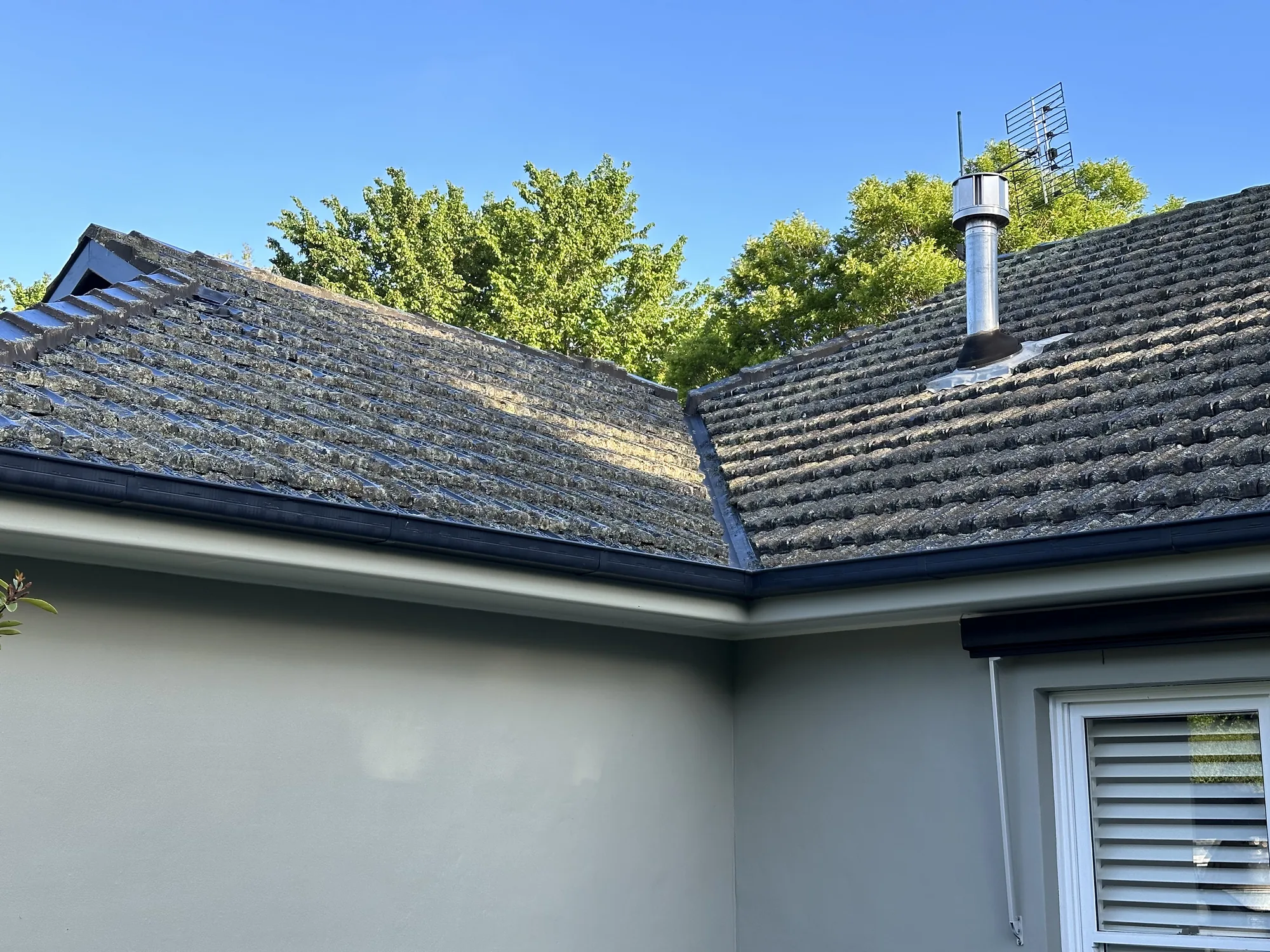
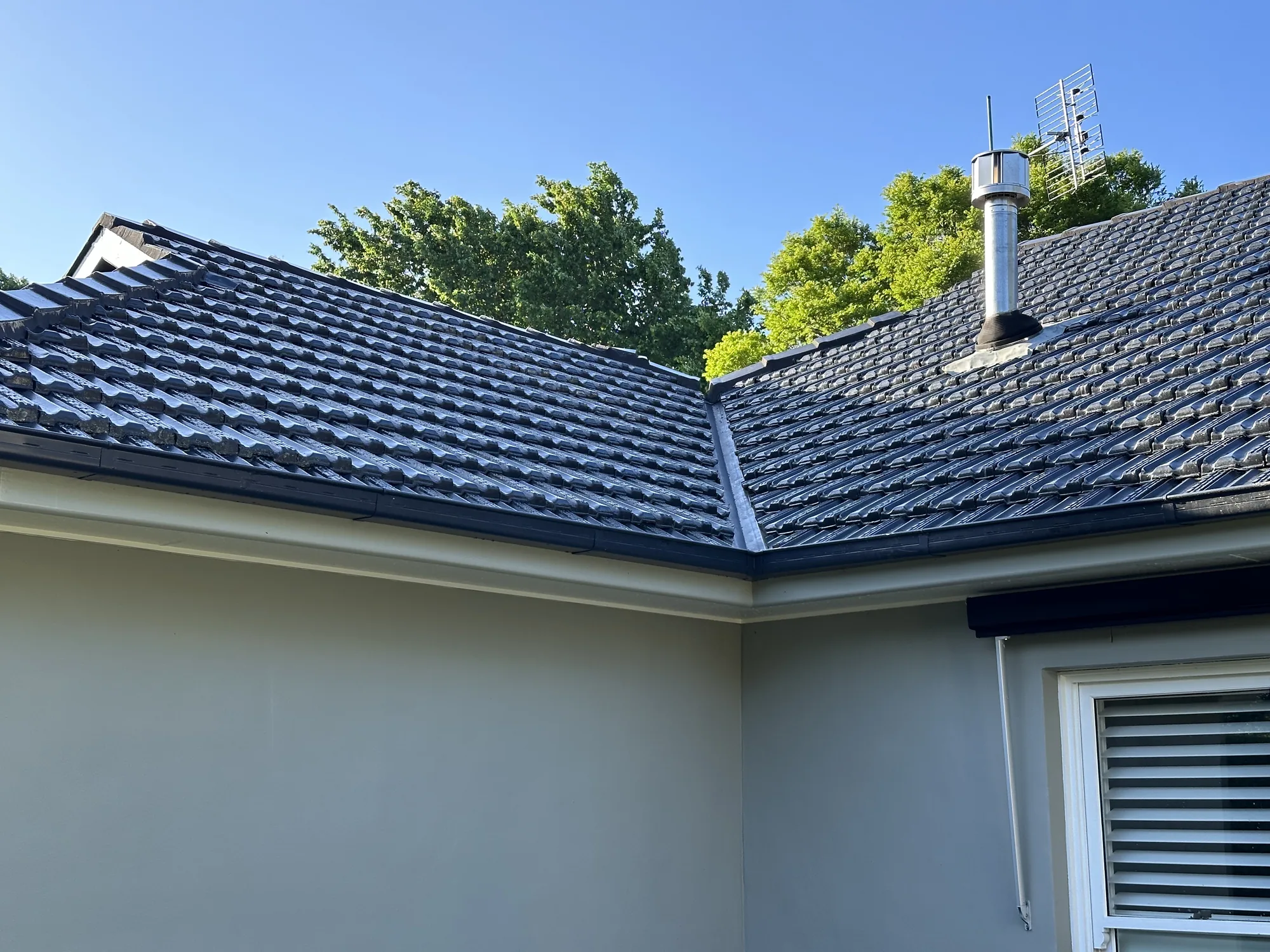

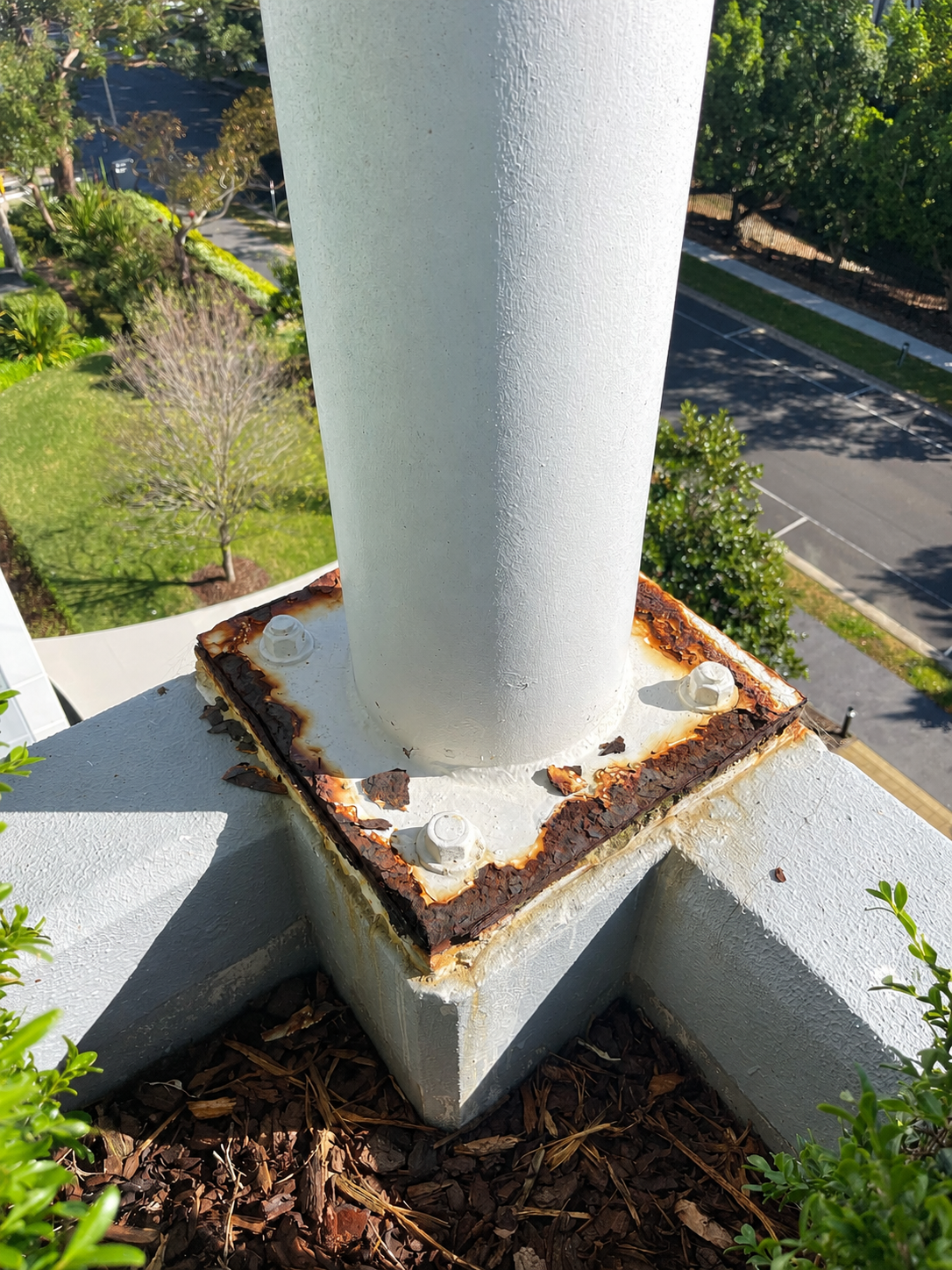
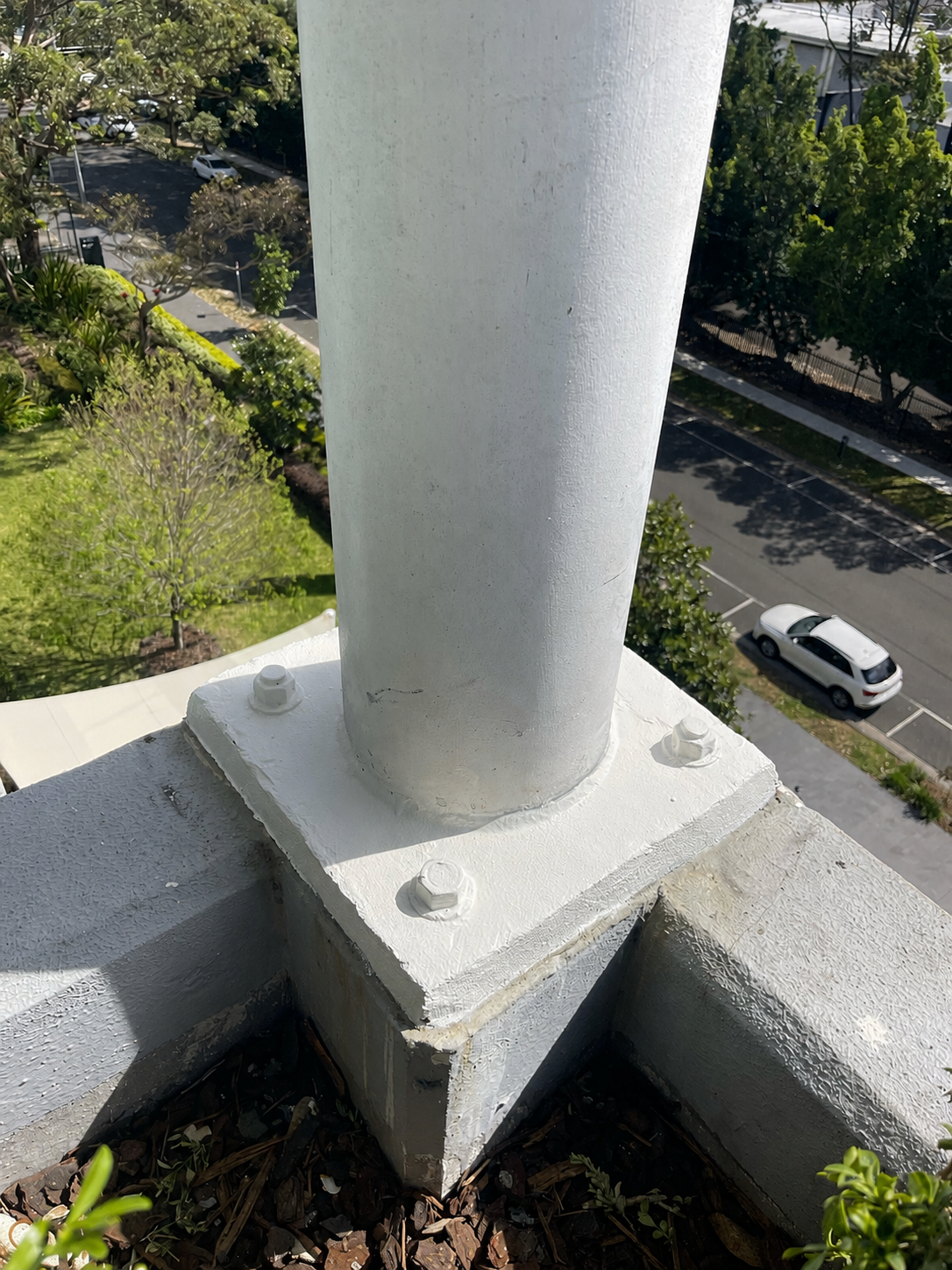
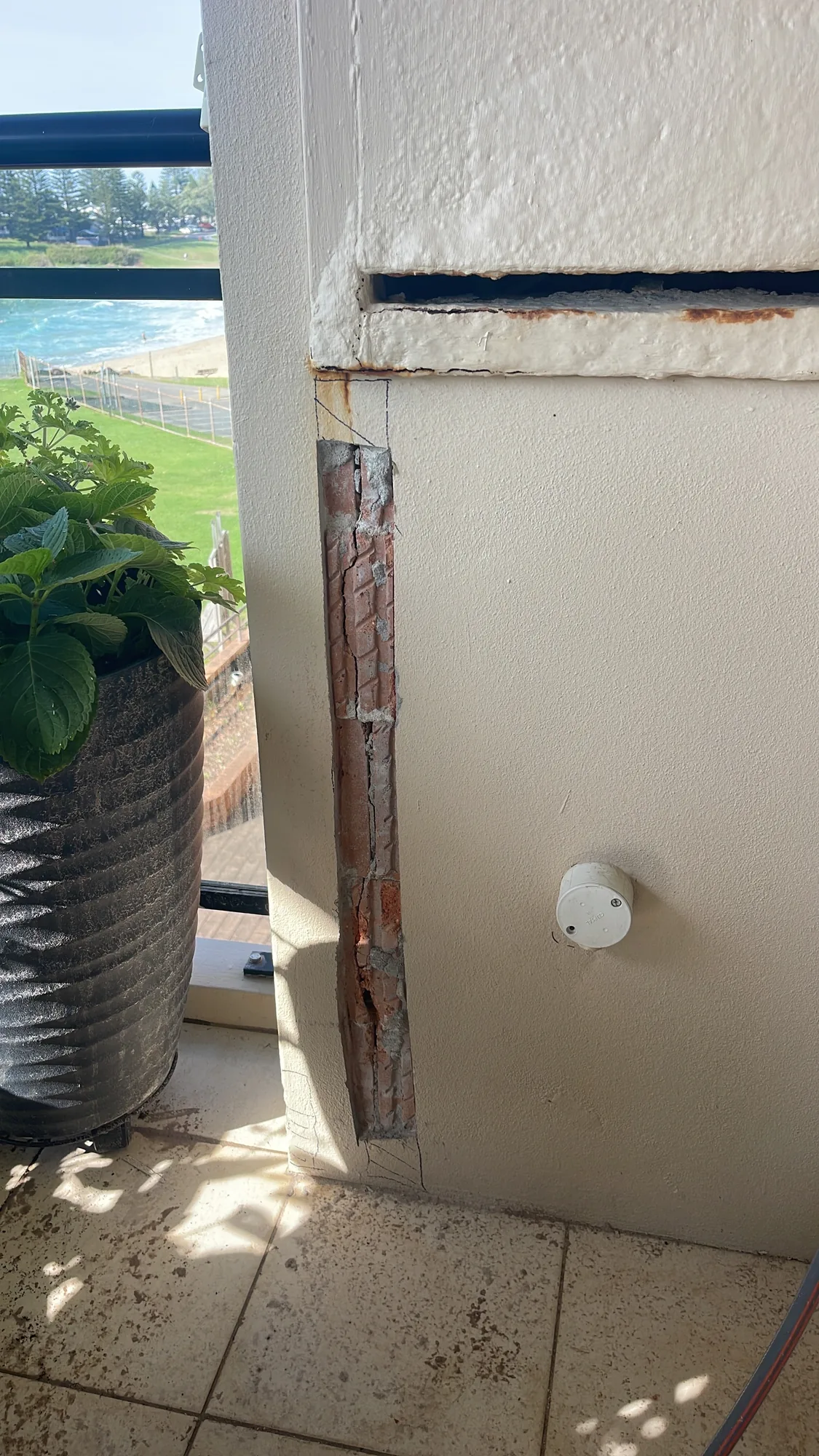






















A roof anchor system is a permanently installed height safety system that provides certified tie-off points for anyone working at height on a building. It allows workers to connect safety lines that arrest a fall before it becomes fatal.
AS/NZS 4488 — Industrial Rope Access Systems, and AS/NZS 1891 — Industrial Fall Arrest Equipment and Devices. These standards govern design, installation, inspection, testing and certification requirements.
We can install on concrete, steel and most structural substrates. The substrate must be assessed to confirm it can hold the required load. We will advise if a roof is not suitable for anchor installation before any work is committed.
Yes. Every anchor we install is load-tested to its rated capacity and issued with written certification. Every inspection and test produces a formal report. Full documentation is provided at handover.
Yes. We regularly audit anchor systems for new building owners, incoming strata managers and property managers taking over buildings with existing installations. We assess every anchor, test to rated load, and provide a full compliance report and certification.
Annual visual inspection is required by law under AS/NZS 4488. Full load testing is required every 5 years. Any anchor involved in a fall arrest event or impact must be immediately taken out of service and assessed before reuse.
It is immediately taken out of service. Depending on the nature of the failure we will either replace the anchor in place or specify a new installation. A failed anchor cannot be used and the area it was intended to protect cannot be accessed until a compliant replacement is in place.
The building owner or the owners corporation in the case of strata property. Responsibility for ensuring anchors are inspected, tested and certified rests with the building owner — not the contractors who use them.
A permanent anchor is fixed into the structure and remains in place — it is inspected and recertified on an ongoing cycle. A temporary anchor is rigged for a specific job and removed afterwards. We install permanent systems and provide temporary rigging solutions where required.
Our team holds a broad range of certifications and licences across the business including IRATA and SPRAT rope access qualifications, public liability and workers compensation insurance, First Aid, Police Checks, Working with Children, Height Safety System Installation and Testing, EWP over 11m, Asbestos Awareness, Confined Spaces, and Painting and Decorating trade qualifications. Every job is staffed with the right people for the scope of work.